

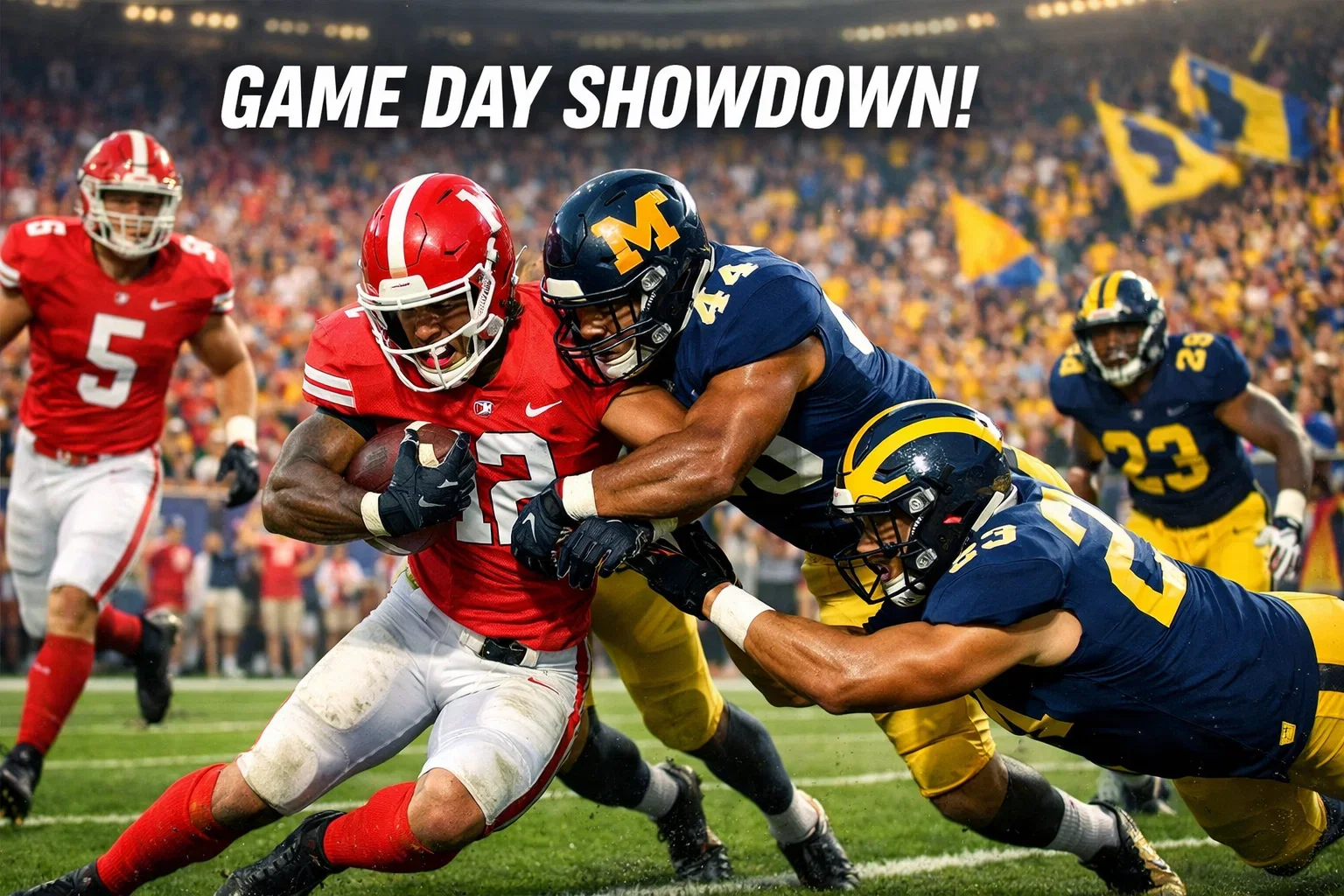
College football offers what the NFL cannot: market inefficiency born from sheer volume. With over 130 FBS teams playing twelve-game schedules, sportsbooks simply cannot price every game as sharply as they price the sixteen NFL contests each week. This inefficiency creates opportunities for bettors willing to do the work, but it also creates traps for those who approach college betting with NFL assumptions.
The differences between college and professional football extend far beyond roster size and playoff format. Talent disparity between top programs and bottom feeders dwarfs anything in the parity-driven NFL. Coaching matters more when rosters turn over annually. Conference dynamics, rivalry histories, and regional factors all shape outcomes in ways that standardized metrics struggle to capture. Understanding these unique characteristics separates profitable college bettors from those who simply apply NFL thinking and wonder why it fails.
College football betting on brom bet.
The Talent Gap Reality
NFL teams exist within narrow competitive bands by design. Salary caps, revenue sharing, and draft structures ensure that even the worst teams have multiple elite players. College football operates under no such constraints. Alabama and Ohio State routinely field rosters packed with future NFL players while weaker opponents might have only a handful of pro prospects total.
This talent concentration shapes spread betting fundamentally. A 28-point spread in the NFL would be extraordinary; in college, spreads exceeding 30 points appear regularly. Betting these mismatches requires understanding that normal competitive dynamics don’t apply. Blowouts happen frequently, and backdoor covers against prevent defenses create false impressions of competitiveness.
The implication for bettors involves recognizing when spreads accurately reflect talent differences versus when they’ve been inflated by public perception. A three-touchdown spread between Power Five programs might offer value; the same spread when Alabama visits a middling SEC opponent might be too small. Evaluating these situations requires granular knowledge of roster composition and recruiting class quality.
Conference-Specific Dynamics
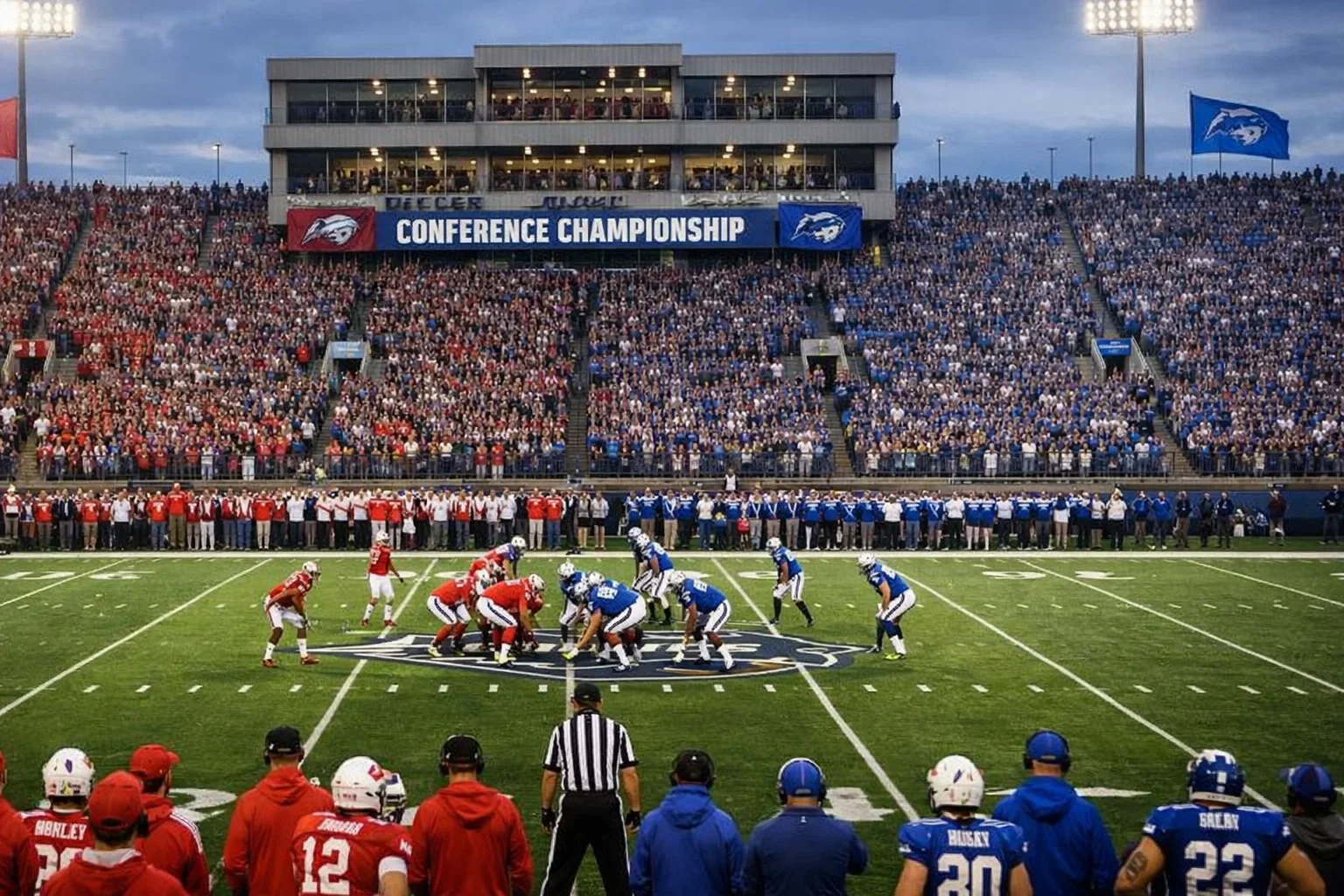
Different conferences play different styles, creating predictable patterns that savvy bettors exploit. Understanding these tendencies helps evaluate spreads and totals more accurately.
The SEC traditionally features elite defensive play and physical running games. Lower totals often make sense for SEC matchups, particularly divisional games where familiarity breeds defensive excellence. The conference’s recruiting dominance means even middle-tier SEC teams outclass most non-conference opponents.
The Big 12 historically produces chaotic, high-scoring affairs with questionable defensive effort. Overs have covered at elevated rates in Big 12 games, particularly in conference play where teams know each other’s offensive tendencies. Home underdogs in this conference cover at remarkable rates, reflecting the conference’s week-to-week unpredictability.
The Big Ten splits between traditional power-running programs and more modern spread offenses. Weather becomes a significant totals factor late in the season when northern schools play in difficult conditions. The conference’s depth means even seemingly weak opponents can compete against ranked teams.
Situational Factors in College Football
College players respond to motivation and emotion more dramatically than professionals. Identifying these situations helps find edges the market might miss.
Rivalry games produce unpredictable results regardless of rankings or talent differentials. The emotion, preparation focus, and historical patterns in these matchups often overwhelm normal competitive logic. Underdogs cover more frequently in rivalry games, while favorites often fail to dominate even when clearly superior.
Letdown spots after emotional victories plague college teams more than NFL squads. A team that just upset a ranked opponent or won a rivalry game might struggle the following week against an inferior opponent. These situations create value on opponents the market has dismissed.
Lookahead situations occur when a team faces a significant upcoming matchup that might distract preparation. A mediocre team hosting a contender the week before a crucial conference game often receives less coaching attention than the schedule suggests. These situations create value on their opponents.
Bowl games present unique challenges. The extended layoff affects team preparation differently. Motivation varies wildly depending on whether teams view their bowl assignment as a reward or disappointment. Players who’ve declared for the NFL draft might not participate. These factors make bowl betting particularly difficult to handicap using regular-season patterns.
Weather and Totals Strategy
Weather impacts college football more significantly than NFL games because college teams vary more widely in their ability to adapt. A dome team visiting Wisconsin in November faces challenges that don’t appear in statistics from early-season games.
Wind affects passing more than any other weather factor. When winds exceed 15 miles per hour, under bets historically cover at elevated rates. College quarterbacks, generally less experienced than NFL passers, struggle more with wind disruption. Totals markets don’t always fully price this impact.
Cold weather late in the season benefits run-heavy teams and penalizes pass-dependent offenses. Teams from warm-weather states traveling to northern venues in November face adjustment challenges that the market sometimes underweights.
Rain creates ball-security issues that affect turnover rates. Teams with inexperienced quarterbacks or poor ball-handling running backs become riskier in wet conditions. The increased variance from weather-induced turnovers can swing games unpredictably.
Early Season Opportunities
The first weeks of the college football season present distinct betting opportunities. Limited game film makes handicapping difficult, but it also means sportsbook lines contain more errors.
Non-conference mismatches dominate early schedules. Power Five teams hosting FCS opponents typically win by enormous margins, but spreads of 35 or more points create covering challenges. Elite programs often rest starters once games become blowouts, capping their scoring.
New coaching staffs need time to implement systems. Teams with first-year coaches often struggle early before improving as players learn new schemes. Fading these teams early and backing them later in the season can produce value.
Transfer portal impacts have become increasingly significant. Teams that added key transfers might take weeks to integrate them fully. Betting against teams expected to improve due to transfers early in the season, then backing them once integration occurs, exploits the market’s tendency to price expected quality rather than demonstrated quality.
The AP Poll Trap
The AP Top 25 poll drives public perception but doesn’t always reflect betting value. Understanding how the poll distorts markets helps identify opportunities.
Ranked teams attract public money regardless of whether their ranking reflects genuine quality. This public action often inflates lines on ranked teams, creating value on unranked opponents. The phenomenon is particularly pronounced when ranked teams face quality opponents who haven’t received poll recognition.
Poll inertia keeps teams ranked based on reputation longer than performance justifies. A preseason top-10 team that loses early might maintain ranking status that exceeds their actual quality. Betting against teams whose rankings seem disconnected from recent performance can find value.
The margin between ranked and unranked matters less than actual team quality. The 26th-best team differs minimally from the 25th-best, but public perception treats them dramatically differently. Exploiting this perception gap creates betting opportunities.
Coaching Analysis
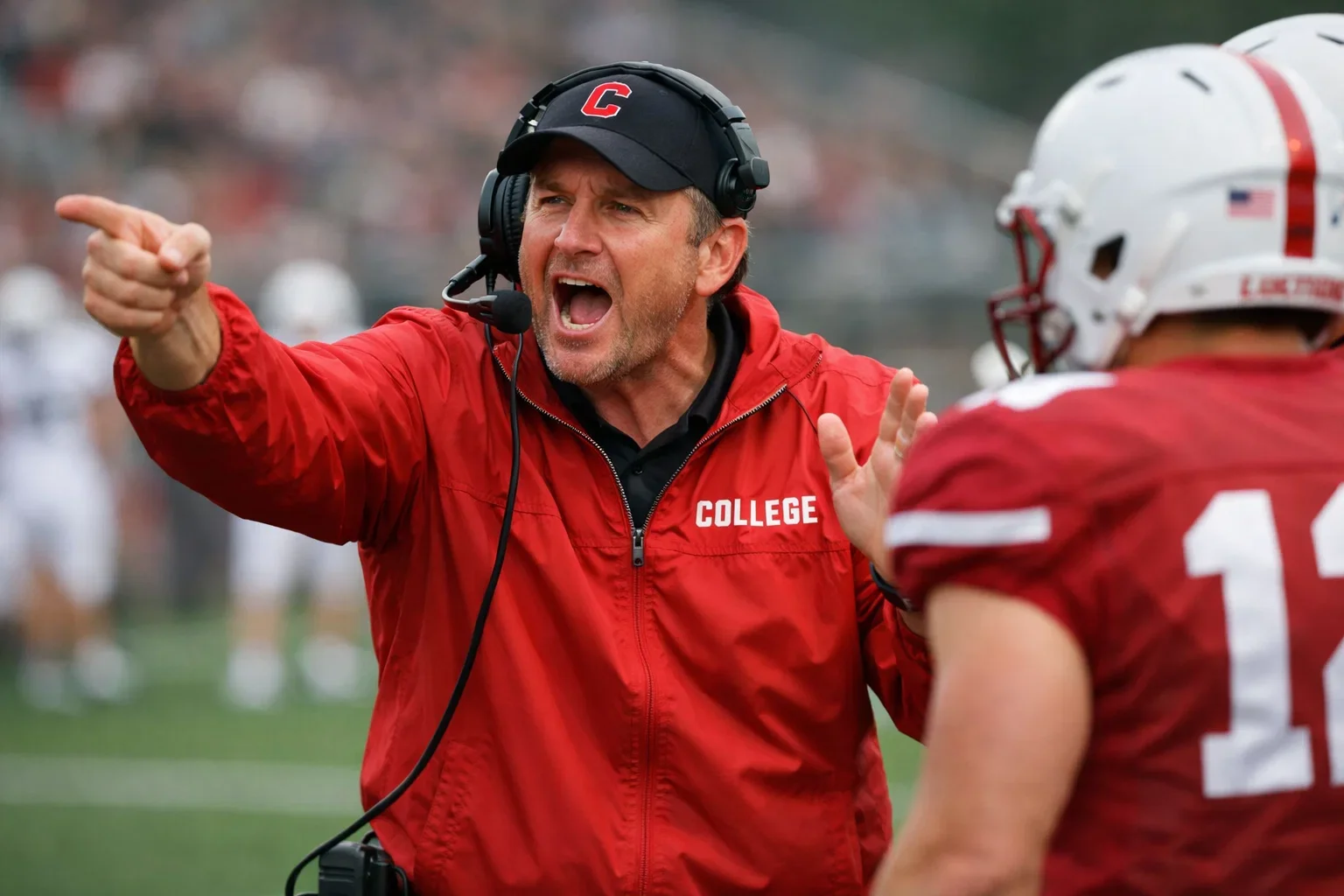
Coaching matters more in college than professional football because roster turnover constantly requires rebuilding and development. Identifying coaches who consistently beat or fail to beat spreads helps with game selection.
Some coaches consistently outperform market expectations while others consistently underperform. Tracking coaching records against the spread over multiple seasons reveals patterns that persist. Coaches who emphasize fundamentals and adapt well to opponents tend to cover more frequently than those who rely primarily on talent advantages.
In-game coaching decisions affect outcomes significantly. Coaches who manage clock situations well, make appropriate fourth-down decisions, and adjust strategically during games provide edges over less tactically sound opponents. These skills don’t appear in traditional statistics but show up in close-game performance.
New coaches often face adjustment periods where their teams underperform early before improving. Understanding the typical timeline for coaching transitions helps time bets appropriately.
Managing College Football Betting Volume
The sheer volume of college football games tempts bettors into overextension. Fifty or more FBS games each Saturday create endless action opportunities, but most don’t offer genuine edge.
Specialize rather than generalize. Bettors who focus on specific conferences or regions develop expertise that broad coverage cannot match. Deep knowledge of one conference’s tendencies, coaching staffs, and player personnel beats shallow knowledge across all conferences.
Quality over quantity produces better results. Betting three games with genuine edge outperforms betting fifteen games where half lack any analytical foundation. The juice on losing bets erodes bankrolls quickly when you’re betting marginal situations for action.
Track your results by conference and situation type. You might discover that your SEC analysis produces profits while your Big Ten bets break even. Focus resources where your edge actually exists rather than assuming uniform skill across all contexts.
See also NFL betting.
College football rewards bettors who embrace its unique characteristics rather than forcing NFL frameworks onto a fundamentally different sport. The inefficiencies exist, but capturing them requires specialized knowledge and disciplined game selection.
