

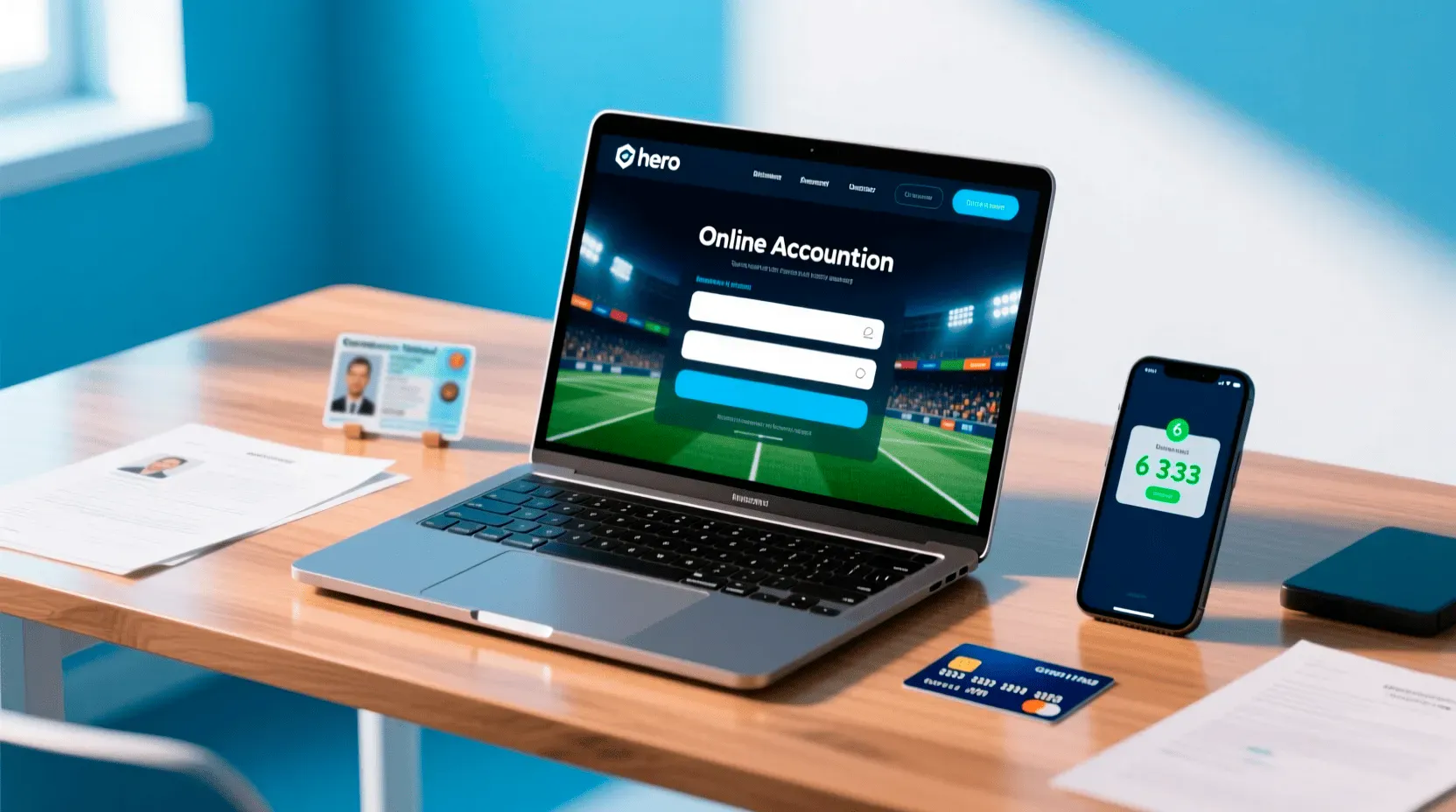
The hardest part of sports betting isn’t picking winners. It’s the fifteen minutes of frustration trying to figure out why your account won’t verify, why your deposit got rejected, or why you can’t place that first bet even though money is sitting in your account. Every platform swears they’ve made the process “quick and easy,” yet here you are, stuck on screen three of what you thought would be a simple sign-up.
This guide walks through the actual Brom Bet account creation process, not the sanitized marketing version that glosses over the annoying parts. We’re covering what information you’ll need before starting, how to navigate each step without hitting roadblocks, what the verification process really entails, and how to fund your account without pulling your hair out. By the end, you’ll have a fully functional betting account and understand why certain steps exist even when they seem unnecessarily complicated.
Let’s get you set up properly so you can focus on what actually matters: making smart bets instead of fighting with registration forms.
Account setup on brom bet.
Before You Start: What You’ll Need
Walking into account creation unprepared is like showing up at the DMV without your documents. You’ll get three-quarters through the process, hit a wall, and have to start over. Five minutes of preparation saves thirty minutes of hassle.
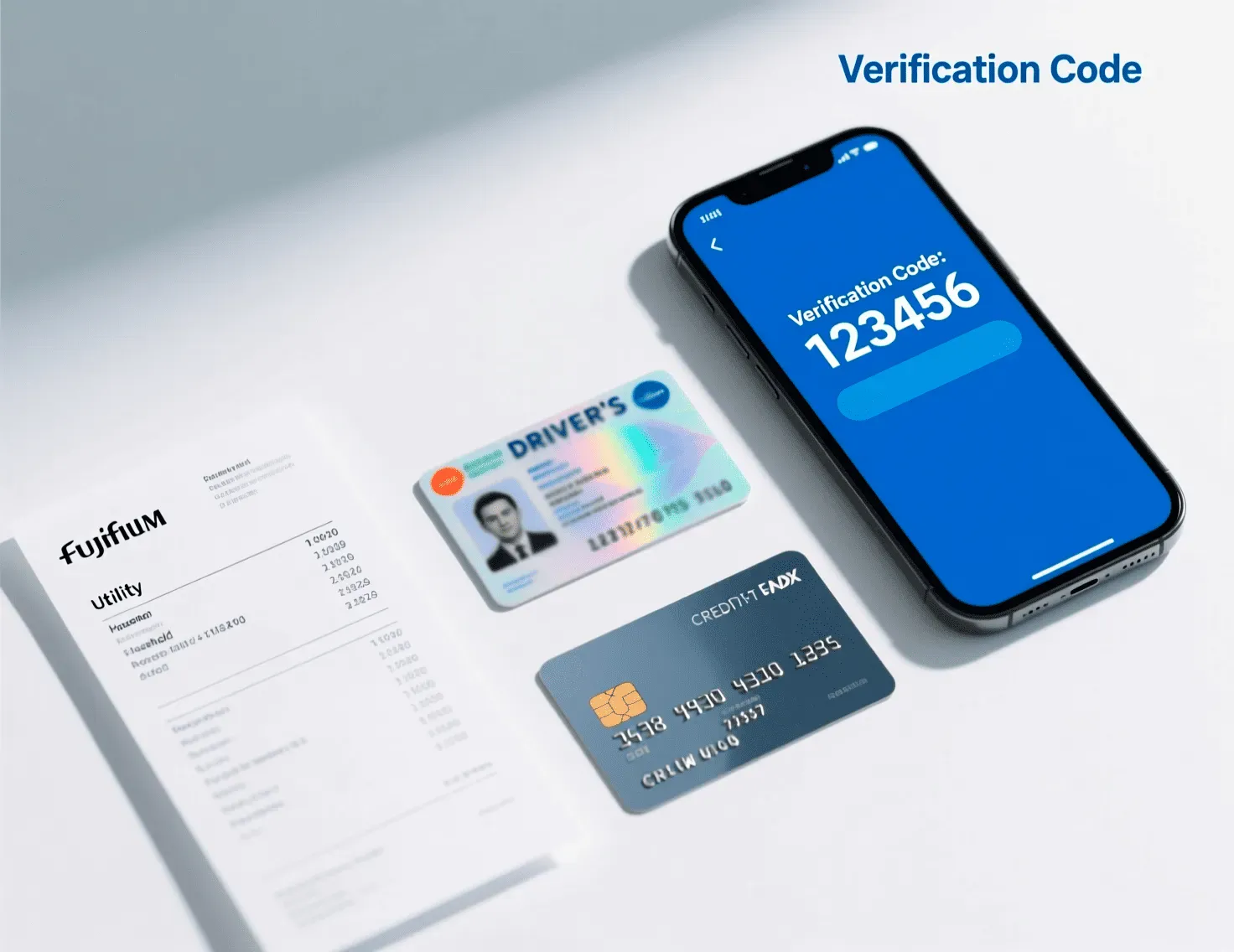
Government-issued identification is non-negotiable. A driver’s license works for most people. A passport works for everyone. State ID cards are fine. These need to be current and valid, not expired. The platform will reject expired documents instantly, and customer service won’t override it no matter how compelling your story about waiting for the renewal.
The photo on your ID needs to match your actual appearance reasonably well. If you got your license at eighteen and you’re now thirty-five with a beard, gray hair, and forty extra pounds, verification might flag you for manual review. Not necessarily a problem, just expect delays while a human confirms you’re the same person.
Proof of address is required by most licensed platforms, though not always during initial signup. A utility bill from the last three months works. A bank statement works. A government document with your address works. A letter from your landlord on official letterhead sometimes works. What doesn’t work: a screenshot of Google Maps showing your house, your word that you live where you say you live, or a piece of mail addressed to “Current Resident.”
The address on your proof of address document must match the address you enter during registration. Exactly. If your license says “Street” but your utility bill says “St.” some systems will flag this as a mismatch. Annoying? Incredibly. Worth getting right the first time? Absolutely.
Banking information for deposits will be needed immediately after account creation if you want to bet right away. Have your credit card handy, or log into your e-wallet, or know your bank account number for transfers. Scrambling to find this information mid-process is when people make mistakes like entering wrong numbers and then wondering why their deposit vanished into the ether.
Age verification is built into the process automatically. You need to be at least twenty-one years old in most jurisdictions, eighteen in others. The platform checks this against your date of birth from your ID. Lying about your age is fraud, will get your account permanently banned, and can result in forfeiture of any funds in the account. Don’t do it. If you’re underage, wait until you’re not.
Your email address should be one you actually check. The platform sends account confirmations, verification updates, withdrawal notifications, and promotional offers to this email. Using a disposable email address or one you never check means missing important information about your account. Pick something permanent and accessible.
A working phone number is required for two-factor authentication and account recovery. Use your actual mobile number, not a Google Voice number or some VoIP service. Some platforms verify phone numbers by sending SMS codes, and those services don’t always work with verification systems.
Location services on your device might need to be enabled. Licensed sportsbooks verify you’re physically located in a legal jurisdiction before allowing bets. If you’re on mobile and location services are disabled, the app won’t let you place wagers. If you’re on desktop, you might need to enable location permissions in your browser. This isn’t the platform being nosy, it’s legal compliance.
Gathering these items before starting the registration process takes five minutes and prevents ninety percent of common signup problems. The alternative is getting halfway through, realizing you need something, abandoning the process to find it, and then discovering your session timed out and you have to start over.
The Registration Process Explained
Account creation itself is straightforward if you know what to expect at each step. The process typically takes five to ten minutes if you have everything ready and don’t encounter verification delays.

Start by clicking the “Sign Up” or “Register” button, usually prominently displayed in the top right corner of the homepage. This opens the registration form, which can be a single long page or broken into multiple steps. Both approaches work fine, though multi-step forms feel less overwhelming.
Creating your username is your first decision. Pick something you’ll remember but don’t make it personally identifiable. Avoid using your full real name, birth date, or other obvious personal information. Usernames are often visible to customer service and sometimes in contest leaderboards. “JohnSmith1985” is a bad username because it gives away your name and birth year. “LuckyStreak47” or “BettingBob” or literally anything else is better.
Most platforms have username requirements: minimum and maximum character lengths, allowed special characters, no profanity filters. If your desired username is taken, you’ll need alternatives ready. Adding numbers is the lazy solution but it works. Just remember what numbers you added because you’ll need to log in with that exact username later.
Password creation needs to balance security with memorability. Platform requirements vary, but expect to need at least eight characters including uppercase, lowercase, numbers, and special symbols. “Password123” won’t cut it. Neither will “BromBet.” These are the first things hackers try.
A strong password looks like “Tj9$mQp2!vLn” and you’ll forget it immediately. A memorable strong password looks like “PurpleElephant$Dance42” and combines random words with numbers and symbols. Use a password manager if you have one. Write it down physically if you don’t. The worst password is one you can’t remember when you need to log in.
Personal information fields come next. Full legal name, date of birth, address, phone number, email address. This information must match your identification documents exactly. Middle names matter. Apartment numbers matter. ZIP codes matter. If your legal name is “Robert” but everyone calls you “Bob,” use Robert. The platform verifies against official documents, not nicknames.
Social Security Number requests appear on some platforms. This is primarily for tax reporting purposes. Winnings above certain thresholds get reported to the IRS, and the platform needs your SSN to file the correct forms. Yes, it feels invasive. No, there’s no way around it on regulated platforms. The alternative is offshore sites with zero consumer protections and no recourse when things go wrong.
Double-checking everything before submitting is worth sixty seconds. Typos in names, addresses, or birth dates cause verification failures. Fixing these errors after submission requires contacting customer support, proving you made a mistake, and waiting for manual corrections. Getting it right initially is dramatically easier.
Creating security questions happens on some platforms. Pick questions with answers only you would know, and answers you’ll definitely remember. “What’s your mother’s maiden name?” works if you remember it. “What was your first pet’s name?” works until you forget whether you said Fluffy or Mr. Whiskers. Write down the exact answers you entered somewhere safe.
Two-factor authentication setup is increasingly common. The platform sends a verification code to your phone or email when you log in from a new device. This adds a minor hassle to logging in but dramatically increases account security. Enable it. Your future self will thank you if someone tries accessing your account.
Promo code entry appears during registration on some platforms. If you have a welcome offer code, enter it now. Some codes can only be applied during initial signup. Missing this opportunity means missing the bonus entirely. If you don’t have a code, leaving the field blank is fine. Don’t random-guess codes hoping something works.
Accepting terms and conditions requires actually reading them. Nobody does this. Everyone should. You’re agreeing to binding arbitration clauses, responsible gambling provisions, bonus terms, withdrawal policies, and dispute resolution procedures. At minimum, skim sections about account closure, fund confiscation, and bonus restrictions. Understanding what you agreed to matters when problems arise.
Age and location verification happens automatically during registration. The platform checks your IP address and may request location services access. If you’re using a VPN, disable it. VPNs trigger fraud alerts because they mask your true location. Legal platforms can’t allow betting from restricted jurisdictions, and VPNs make location verification impossible.
Submitting the registration form is the point of no return. Review everything one final time. Once submitted, the platform creates your account and sends a confirmation email. This email usually contains an activation link. Click it. Some accounts remain in limited status until email verification completes.
Email verification should happen immediately. Check your inbox for the confirmation message. Check spam folders if it doesn’t appear within five minutes. The verification link typically expires after twenty-four hours. If you miss it, you’ll need to request a new verification email through customer support or the login page.
Registration completion gives you basic account access. You can log in, browse markets, and review the platform. But you can’t deposit money or place bets until identity verification completes. This is the next step and the one that causes the most confusion.
Account Verification Details
Identity verification is the bureaucratic part everyone dreads. Understanding why it exists and what the platform actually checks makes the process less mysterious and more bearable.

Know Your Customer regulations require licensed platforms to verify user identities. This isn’t the platform being difficult. It’s legal compliance preventing money laundering, underage gambling, and fraud. Every legitimate betting site follows these rules. Sites that don’t aren’t operating legally and should be avoided entirely.
Document upload starts verification. The platform requests a photo of your government ID. Take a clear picture with your phone or scan the document. The photo needs to be readable with all four corners visible. Blurry photos get rejected. Photos with glare get rejected. Photos where text is illegible get rejected. Good lighting and a steady hand prevent rejections.
Front and back of your ID are usually required. The front has your photo, name, birth date, and address. The back has barcodes and additional information. Submit both sides. Submitting only the front causes delays while support requests the back. Save yourself the back-and-forth.
Selfie verification is increasingly common. The platform requests a photo of you holding your ID next to your face. This confirms you’re the person on the ID and you currently possess the physical document. The selfie needs to clearly show your face and the ID details. Bathroom selfies with poor lighting don’t cut it. Find good lighting and take a clear photo.
Some platforms use liveness detection. You’ll be asked to blink, smile, or turn your head during verification. This prevents people from submitting photos of photos. It feels silly but takes thirty seconds and prevents fraud, which ultimately protects your account too.
Address verification happens through utility bills or bank statements. The document must show your full name and address and be dated within the last ninety days. Screenshots don’t work because they’re too easy to fake. PDF downloads from your utility company’s website usually work. Physical mail photos work if clearly legible.
Processing time varies wildly. Automated systems verify documents in minutes if everything is clear and matches perfectly. Manual review takes hours to days. Peak times like major sporting events slow everything down as verification queues grow. Submitting documents during normal business hours often results in faster processing than late-night submissions.
Verification status appears in your account settings. Most platforms show whether documents are pending, approved, or rejected. Check this regularly if you’re waiting on verification. If documents are rejected, the platform usually explains why. Common reasons include expired IDs, unclear photos, mismatched information, or documents that don’t meet requirements.
Resubmitting documents is necessary if initial submission fails. Fix whatever caused the rejection before resubmitting. Taking new photos, using different documents, or correcting information during resubmission moves faster than repeatedly submitting the same rejected materials.
Contacting support about verification delays is appropriate after twenty-four to forty-eight hours. Bring your verification ticket number if you have one. Be polite. Support agents don’t control verification speed but can often escalate delayed verifications or clarify rejection reasons. Being rude to support never speeds anything up and sometimes slows things down out of pure spite.
Verification approval unlocks full account functionality. You can now deposit, bet, and eventually withdraw. The verification is permanent unless major account changes occur like address updates or name changes. Those trigger new verification requirements. Otherwise, you’re done with verification for the life of the account.
Failed verification prevents account use. If you can’t pass verification for legitimate reasons, contact support to discuss options. If you can’t pass verification because you’re not who you claim to be or are in a restricted jurisdiction, no amount of arguing will help. The account will remain restricted indefinitely.
Making Your First Deposit
Funding your account is the final step before betting. The process involves choosing a payment method, entering payment details, selecting an amount, and confirming the transaction. Different methods have different speeds, fees, and limits.
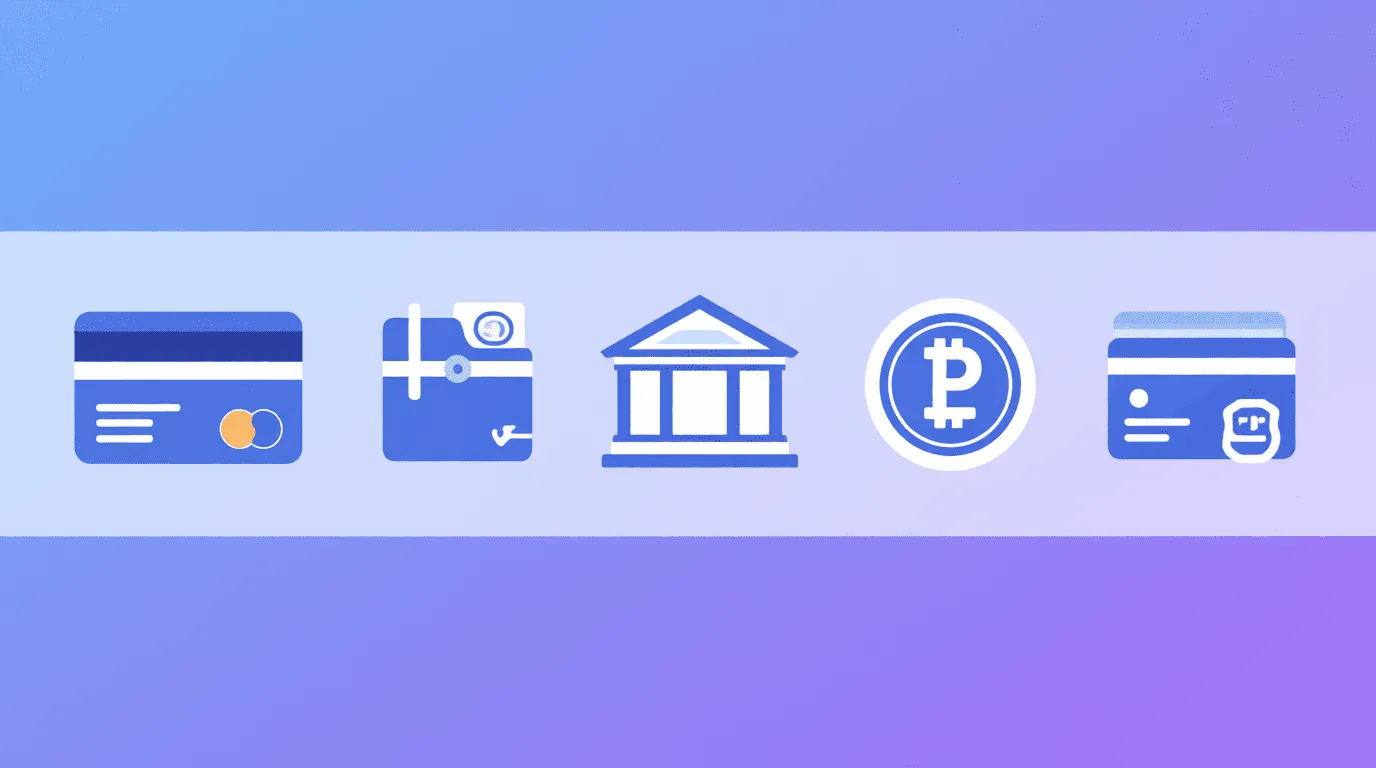
Available payment methods appear in the deposits section. Most platforms accept credit cards, debit cards, e-wallets, bank transfers, and sometimes cryptocurrency. Each method has different processing times and potential fees. Choose based on your priorities: speed, fees, or convenience.
Credit and debit cards process instantly. Enter card number, expiration date, CVV, and billing address. The deposit appears in your account within minutes. Some banks decline gambling transactions as a fraud prevention measure. If your card gets declined despite having funds available, call your bank to authorize gambling transactions. They can whitelist the merchant or temporarily lift the block.
E-wallets like PayPal, Skrill, or Neteller are popular for betting. These require linking your e-wallet to your betting account first. After linking, deposits are instant and withdrawals are usually faster than other methods. The downside is needing to fund your e-wallet separately, adding an extra step to the process.
Bank transfers take longer but avoid credit card fees and limits. ACH transfers in the US take three to five business days. Wire transfers are faster but usually carry fees from both sending and receiving banks. Use bank transfers for larger deposits where card limits become restrictive.
Cryptocurrency deposits are instant and anonymous. Bitcoin, Ethereum, and other major cryptocurrencies are accepted on many platforms. You’ll need a cryptocurrency wallet funded in advance. The platform generates a unique deposit address. Send cryptocurrency to this address from your wallet. Deposits appear after blockchain confirmation, usually within an hour.
Minimum and maximum deposit limits vary by method. Card deposits might have $10 minimums and $5000 maximums. Bank transfers might require $50 minimum but allow $50000 maximum. Check limits before attempting a deposit to avoid failed transactions.
Deposit fees are method-dependent. Many platforms don’t charge deposit fees, but payment processors might. Credit cards sometimes carry percentage fees. Bank transfers might have flat fees. E-wallets usually are free. Cryptocurrency deposits are free from the platform but involve blockchain transaction fees paid separately.
Entering your deposit amount requires attention. Typing errors mean depositing wrong amounts. Some platforms show suggested amounts like $50, $100, $250. These are convenient but verify you’re selecting the amount you intended. Custom amounts work fine for specific needs.
Deposit bonuses often require entering a promo code during the deposit process. If you have a code, double-check you entered it correctly before finalizing the deposit. Most platforms won’t retroactively apply codes to deposits that already processed. Missing the code means missing the bonus.
Reading bonus terms before depositing is worth the five minutes. Rollover requirements, minimum odds restrictions, maximum bet limits, and expiration dates all affect whether a bonus is actually valuable. Sometimes depositing without a bonus is smarter than accepting a bonus with onerous terms that lock up your funds.
After completing your deposit, funds appear in your account balance immediately for most methods. If they don’t, check transaction history to confirm the deposit was received and is processing. If nothing appears after thirty minutes for instant methods or three business days for bank transfers, contact support with transaction details.
Placing Your First Bet Successfully
You have money in your account and you’re ready to make your first bet. This final step should be simple, but understanding the mechanics prevents common beginner mistakes that lead to confusion or unintended wagers.
Selecting your sport starts the process. Browse available sports in the main navigation. Major events appear prominently with featured markets. Clicking a sport takes you to that sport’s page with all available games or matches. Upcoming events appear by date, with the soonest at the top.
Choosing a game displays all betting markets available for that event. Popular games have dozens of options: moneylines, spreads, totals, props, team props, player props, alternate lines. Less popular games might only have basic markets. Don’t get overwhelmed by options. Start with simple bets like moneylines or spreads until you’re comfortable with the process.
Understanding the odds display matters before clicking anything. Favorites show negative odds, underdogs show positive odds. The odds are accompanied by the specific betting market. For spreads, you’ll see the point spread next to each team. For totals, you’ll see the line with over and under options. Make sure you’re clicking the exact market you intend to bet.
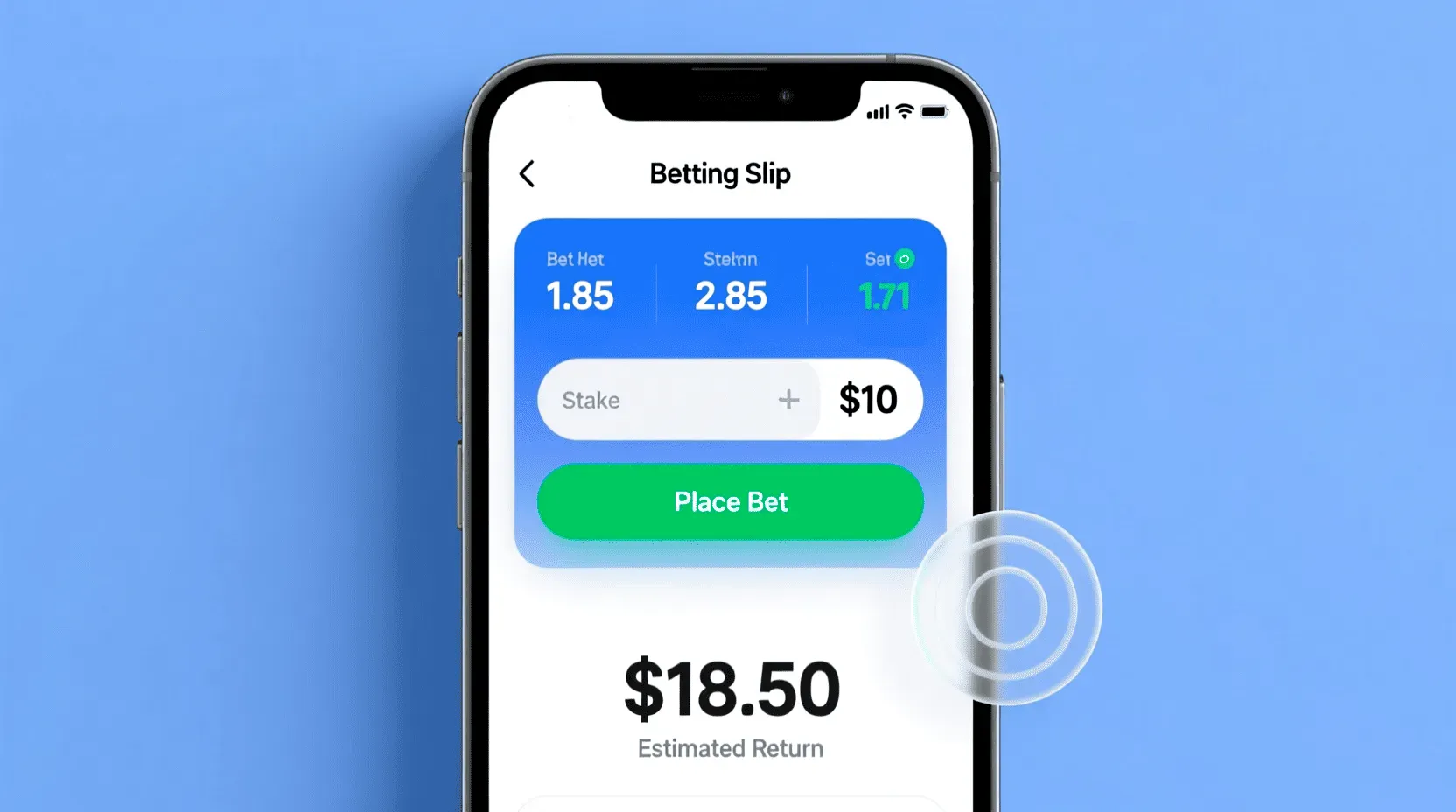
Adding to your bet slip happens when you click any odds. The selection appears in the bet slip with the bet type, odds, and a field to enter your stake. If you realize you clicked wrong, remove it from the slip and start over. Better to catch mistakes now than after confirming.
The bet slip shows your potential payout automatically as you enter your stake. This is the total you’d receive if the bet wins, including your original stake back. Some platforms show potential profit separately. Make sure you understand which number you’re looking at so you’re not confused about how much you stand to win.
Entering your stake is where concentration matters. Typing 100 instead of 10 is an expensive typo. Most platforms show a confirmation screen before finalizing, but some process bets immediately upon clicking confirm. Double-check the amount. Triple-check it. There’s no undo button after the bet is placed.
Minimum and maximum bet amounts vary by market. Mainstream spreads and moneylines usually have low minimums, maybe one or two dollars. Niche props might have higher minimums. Maximums protect the sportsbook from excessive exposure on any single bet. Recreational bettors rarely hit maximums. If you do, it means you’re betting big enough that the sportsbook considers you a risk.
Parlay considerations apply if you’ve added multiple selections to your bet slip. The slip automatically calculates parlay odds by multiplying the individual odds together. You can choose between placing separate straight bets or combining them into a parlay. Straight bets are safer. Parlays pay more but require all selections to win.
Before confirming, verify everything one more time. Right event? Right market? Right side? Right stake? Odds are what you expected? This seems paranoid, but placing a bet on the wrong side or entering the wrong amount happens more than you’d think, especially when betting quickly.
Confirming your bet finalizes everything. Odds can shift between adding to your slip and confirming. Most platforms show a warning if odds changed and ask you to accept the new odds or cancel. If the odds moved against you, decide whether the bet is still worth making at the worse price. If odds moved in your favor, that’s a nice bonus.
After confirming, the bet appears in your active bets section. You can see details like the bet amount, odds, potential payout, and the event status. As the game progresses, this updates with current scores and status. Once the event concludes, the bet settles and moves to your betting history.
Cash-out options appear for many bets while events are in progress. This lets you settle the bet early for a guaranteed amount, either locking in profit or cutting losses. The cash-out offer changes continuously based on live odds. You don’t have to use cash-out, but knowing it exists gives you options for managing active bets.
Your first bet should be small. This isn’t about doubting yourself. It’s about learning the mechanics without significant money at risk. Understanding how bet placement works, how the slip functions, how bets settle, and how to navigate the platform is worth more than any single bet outcome. Think of your first few bets as paid training that happens to offer potential upside.
After placing several bets, the process becomes automatic. You’ll develop a workflow that suits your style. Some people research extensively before betting, opening the platform only to place carefully planned wagers. Others browse actively, identifying opportunities on the fly. Neither approach is wrong. Find what works for you.
Mistakes happen. You’ll click the wrong side eventually. You’ll misread a spread. You’ll forget to remove a selection from a parlay. Everyone does this. The important thing is learning from mistakes without letting them tilt you into making more. If you mess up a bet, accept it and move on. Don’t immediately place another bet trying to compensate. That’s how small mistakes become large losses.
Brom Bet Account Setup Summary and How to Place Your First Bet
Getting your account set up correctly from the start prevents issues later. Verification feels bureaucratic and annoying, but it protects everyone involved. Deposits should be straightforward once you understand your payment options. Placing bets becomes automatic after a few tries.
The account creation process isn’t designed to be difficult. It’s designed to be thorough. Licensed platforms follow regulations that require knowing their customers, verifying locations, and preventing fraud. These requirements serve legitimate purposes even when they’re inconvenient.
Most problems during signup come from rushing or providing inaccurate information. Taking an extra five minutes to verify everything is correct before submitting saves hours of hassle fixing problems later. Having documents ready before starting prevents abandoning the process halfway through.
See also the mobile app guide.
Once you’re past the setup phase, the platform fades into the background. You stop thinking about how to deposit or where to find your balance and focus entirely on evaluating bets and managing your bankroll. That’s when betting becomes about skill and strategy rather than fighting with user interfaces.
Your account is a tool. Like any tool, it works best when you understand how to use it properly. Now you do.
