


The transformation of sports betting from a pregame ritual into a continuous, game-long activity ranks among the industry’s most significant developments. Live betting, also called in-play wagering, allows bets throughout a game as action unfolds and odds shift in real-time. This dynamic environment creates opportunities that simply don’t exist in traditional pregame markets, but it also introduces challenges that have destroyed countless bankrolls.
The appeal is obvious. You’re watching a game, you see something developing that the odds haven’t fully captured, and you can act on that observation immediately. Maybe the underdog’s quarterback is shredding a defense that’s supposed to be elite, or a favorite’s best player picks up early foul trouble. Live betting lets you exploit these observations rather than merely watching them play out.
Yet the same features that create opportunity also enable disaster. The speed of live betting removes the natural pause that pregame betting provides, eliminating cooling-off periods between impulse and action. The constantly shifting odds create an illusion of value that may or may not be real. And the ability to bet continuously throughout a game means you can lose far more than you intended without making a conscious decision to increase your stake.
Live betting strategies on brom bet.
How Live Betting Odds Work
Live betting lines are generated algorithmically in real-time, adjusting to score changes, time remaining, game flow indicators, and betting action. When a team scores, the moneyline and spread shift immediately to reflect the new game state. These adjustments happen within seconds, creating a fast-moving market that bears little resemblance to the leisurely pregame betting experience.
The algorithms driving live odds are sophisticated but not omniscient. They incorporate basic game state information extremely well: a team down 14 points with 5 minutes left has appropriately long odds to win. They handle scoring situations, time remaining, and possession competently. What they struggle with are qualitative factors that humans observe but algorithms miss: momentum shifts, injury developments that aren’t immediately reported, coaching adjustments, and team body language.
This gap between algorithmic efficiency and human observation creates the primary opportunity in live betting. If you can identify something meaningful that the algorithm hasn’t incorporated, you have a value window until the market catches up. These windows close quickly, often within minutes or even seconds, but they do exist.
The house edge on live betting typically exceeds pregame markets. Sportsbooks charge higher juice to compensate for the difficulty of pricing rapidly changing situations accurately and the operational costs of running live betting platforms. This elevated vig means you need larger edges to overcome the margin compared to pregame betting.
Momentum-Based Strategies
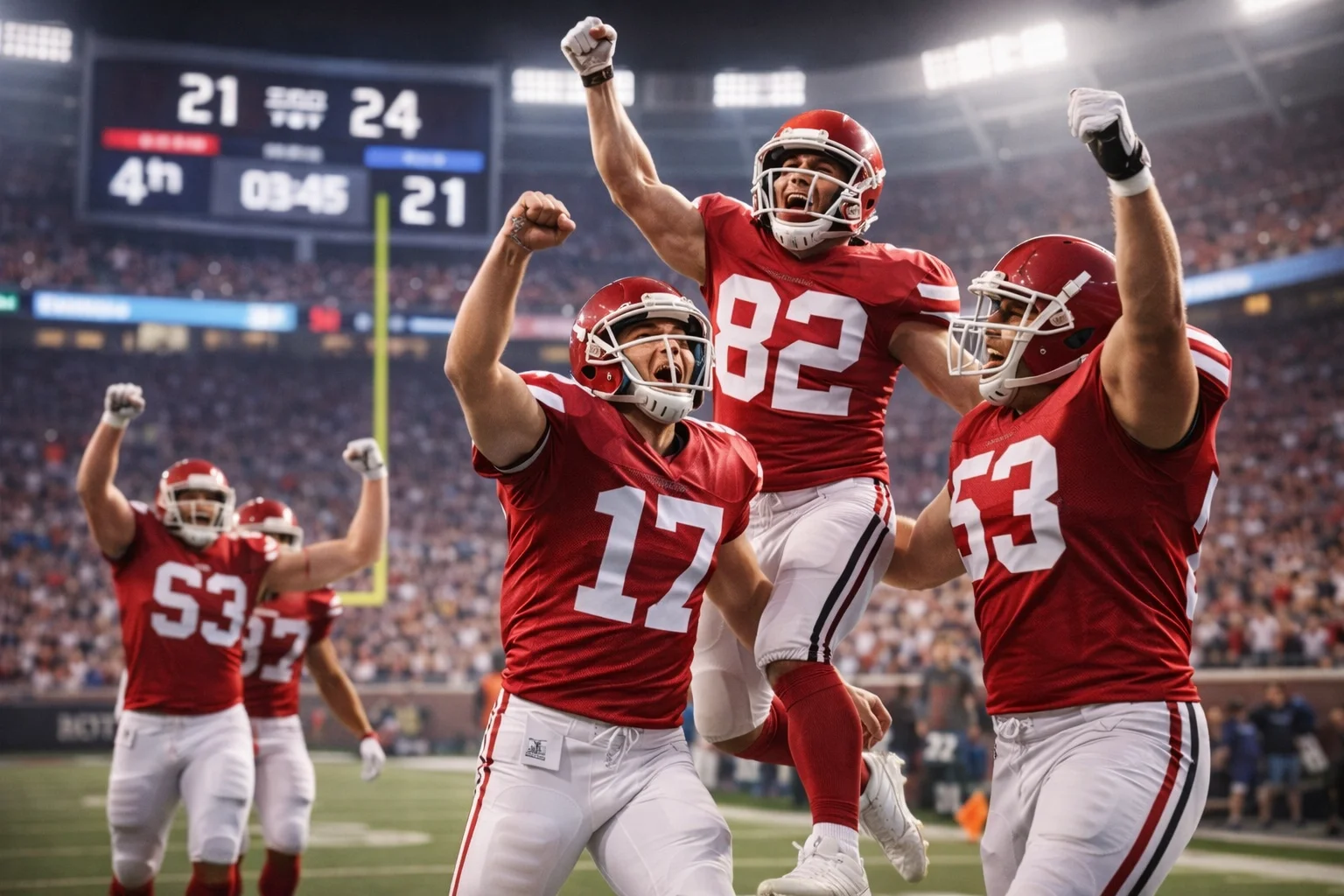
The most intuitive live betting approach involves identifying momentum shifts and betting before the market fully prices them. When an underdog scores twice in quick succession, their win probability has increased beyond just the scoreboard change. The team demonstrating they can compete at a higher level than expected provides information the algorithm may not fully incorporate.
Momentum is real but overrated by casual observers. Games feature constant micro-swings that feel meaningful in the moment but don’t actually predict future outcomes. A team that goes on a 10-0 run is slightly more likely to continue playing well, but most of that apparent momentum is random variance that will regress. Distinguishing genuine momentum shifts from noise requires game knowledge and discipline.
The counter-momentum strategy bets against apparent momentum, assuming the algorithms overreact to recent scoring. After a team scores three quick touchdowns, are they genuinely dominating, or did variance concentrate in a short window? If the latter, the live line on their opponent may offer value as the market overcorrects. This contrarian approach requires strong conviction and emotional discipline to bet against the obvious narrative.
Game State Value Opportunities
Certain game states create predictable algorithmic responses that informed bettors can exploit. These opportunities require understanding how live odds models work and where their assumptions might diverge from reality.
Blowouts in progress often present live betting value on the trailing team. Once a lead becomes substantial, the algorithm prices in that advantage heavily. But football and basketball games feature scoring that can shift dramatically, and a team down 21 isn’t as doomed as the live odds suggest. Backdoor covers are common enough that betting large underdogs in live markets can offer value despite the scoreboard.
Close games late often overvalue the team with possession or momentum. A basketball team that just hit a three to tie the game gets a momentary odds boost that might exceed their actual advantage. Similarly, a football team about to attempt a game-winning field goal might be priced too favorably if their kicker has been inconsistent or conditions are difficult.
Game context that algorithms struggle to interpret creates opportunity. A team playing for playoff seeding against a team with nothing to play for might approach the game differently than their relative quality suggests. Live algorithms don’t know that a coach is resting starters in the fourth quarter or that a team has given up on a meaningless game.
Managing Live Betting Risks
The speed and continuity of live betting creates significant risk management challenges. Without deliberate controls, you can place far more bets than intended, each at lower quality than you’d accept pregame.
Setting strict bet limits before games start provides essential guardrails. Decide how many live bets you’ll place and how much you’ll risk before the game begins, then stick to those limits regardless of what happens. This pre-commitment prevents the spiral where a losing live bet leads to another attempt to recover, then another, then another.
Taking time before placing live bets, even just 30 seconds, improves decision quality. The impulse to bet immediately when you see something is strong, but that impulse often reflects excitement rather than genuine edge identification. Pausing allows you to evaluate whether you’ve actually found value or merely want action.
Tracking live bets separately from pregame bets reveals whether you’re actually profitable in this format. Many bettors who succeed pregame lose in live markets due to the behavioral challenges involved. Honest assessment of your live betting results helps determine whether you should continue or stick to pregame markets where you perform better.
Sport-Specific Live Betting Considerations
Different sports present different live betting dynamics based on their scoring patterns and game flow characteristics.
Football live betting involves discrete possessions with clear game state changes. The limited scoring frequency means odds shift dramatically on each score. Value often appears on underdogs after early opponent scores when the algorithm overstates the importance of a single touchdown. Total markets can offer value when game pace diverges from expectations, particularly in weather-affected games.
Basketball’s continuous scoring creates rapidly fluctuating lines with more frequent adjustment. Run-based thinking, where bettors focus on recent scoring bursts, often leads to overcorrections. The high number of possessions means variance smooths out more reliably than in lower-scoring sports, making live spreads relatively efficient by late in games.
Baseball live betting centers on pitching changes and scoring opportunities. When a struggling starter exits for a dominant reliever, the live odds shift but might not fully capture the quality difference. Individual at-bats against specific pitchers present micro-opportunities for bettors with detailed matchup knowledge.
Hockey and soccer feature low-scoring environments where each goal dramatically shifts odds. The infrequency of scoring means algorithms can overcorrect when goals occur. Understanding shot quality and game control metrics beyond the scoreboard helps identify when live odds don’t reflect true state.
Live Betting Technology Requirements
Effective live betting requires technological infrastructure that not all bettors possess. The speed of live markets means advantages measured in seconds can determine whether you get a value price or miss the window entirely.
Reliable, fast internet is essential. Even slight lag between seeing an opportunity and placing a bet can cost you the price you identified. Many serious live bettors use wired connections rather than WiFi to minimize latency.
Watching games live rather than via delayed streams is critical. Sports broadcasts typically run 30-60 seconds behind real events. If you’re watching on delay while the sportsbook is pricing based on real-time events, you’re seeing stale information and betting into prices that already reflect what you haven’t yet seen.
Multiple sportsbook accounts allow you to shop for best live prices, though the speed requirements make this challenging. Some live bettors keep multiple books open simultaneously and bet whichever offers the best number at the moment of decision.
When to Avoid Live Betting Entirely

Live betting isn’t suitable for everyone or every situation. Recognizing when to abstain is as important as knowing how to participate effectively.
If you lack discipline to stick to pre-set limits, live betting will likely hurt your bankroll more than help it. The format’s continuous availability and fast pace exploit behavioral weaknesses that stricter pregame timing naturally constraints.
If you’re watching games casually while distracted, you can’t compete with focused bettors who catch value windows immediately. Half-attention live betting usually means placing bets without proper evaluation, essentially gambling randomly with worse-than-pregame juice.
If your edge exists in pregame analysis rather than real-time observation, live betting offers no advantage. Some profitable bettors excel at studying matchups and identifying pregame value but struggle in the real-time environment. Knowing your strengths and staying in your lane produces better results than forcing yourself into formats that don’t suit your skills.
See also our live betting page.
Live betting represents both opportunity and danger in amplified form. The same real-time dynamics that create value windows also enable rapid bankroll destruction for unprepared bettors. Approaching live betting with clear strategy, strict risk controls, and honest self-assessment determines whether this format enhances your betting results or undermines them.
