


Baseball occupies a unique position in the sports betting ecosystem. The 162-game season provides sample sizes large enough to reveal true team quality, yet individual game outcomes remain heavily influenced by starting pitching matchups. This tension between seasonal consistency and daily volatility creates opportunities that sharp bettors have exploited for generations.
The run line, baseball’s version of the point spread, behaves differently than football or basketball spreads. Moneyline betting dominates baseball wagering in ways it doesn’t in other sports. Totals present distinct challenges given baseball’s scoring distribution. Understanding these structural differences is essential before developing any baseball betting strategy.
MLB betting guide on brom bet.
Starting Pitching Dominance
No single factor influences baseball betting outcomes more than starting pitching. A team’s season-long record tells you little about their chances in a specific game until you know who’s on the mound. This reality shapes every aspect of baseball handicapping.
Pitcher quality varies enormously within rotations. The same team might be a significant favorite with their ace starting and a meaningful underdog with their fifth starter. Lines reflect this variance, but the market doesn’t always price pitcher differences accurately.
Evaluating pitchers requires looking beyond traditional statistics. ERA captures results but not necessarily skill. A pitcher with a low ERA might have benefited from luck or strong defense; one with a high ERA might be better than his results suggest. Metrics like FIP (Fielding Independent Pitching), xFIP, and SIERA isolate what the pitcher controls and predict future performance more accurately.
Pitcher-specific splits reveal matchup-dependent strengths and weaknesses. Some pitchers dominate right-handed lineups but struggle against left-handed heavy teams. Some excel at home but falter on the road. Some thrive in high-leverage situations while others collapse. These splits help identify when a pitcher’s line doesn’t match their expected performance in a specific context.
Workload and rest matter for pitcher evaluation. A starter coming off a heavy pitch count might have reduced velocity or command. A pitcher making his first start after extended rest might be rusty. A bullpen that worked heavily in recent games provides less reliable support for their starter. These factors should influence your line assessment.
Run Line Betting Strategy
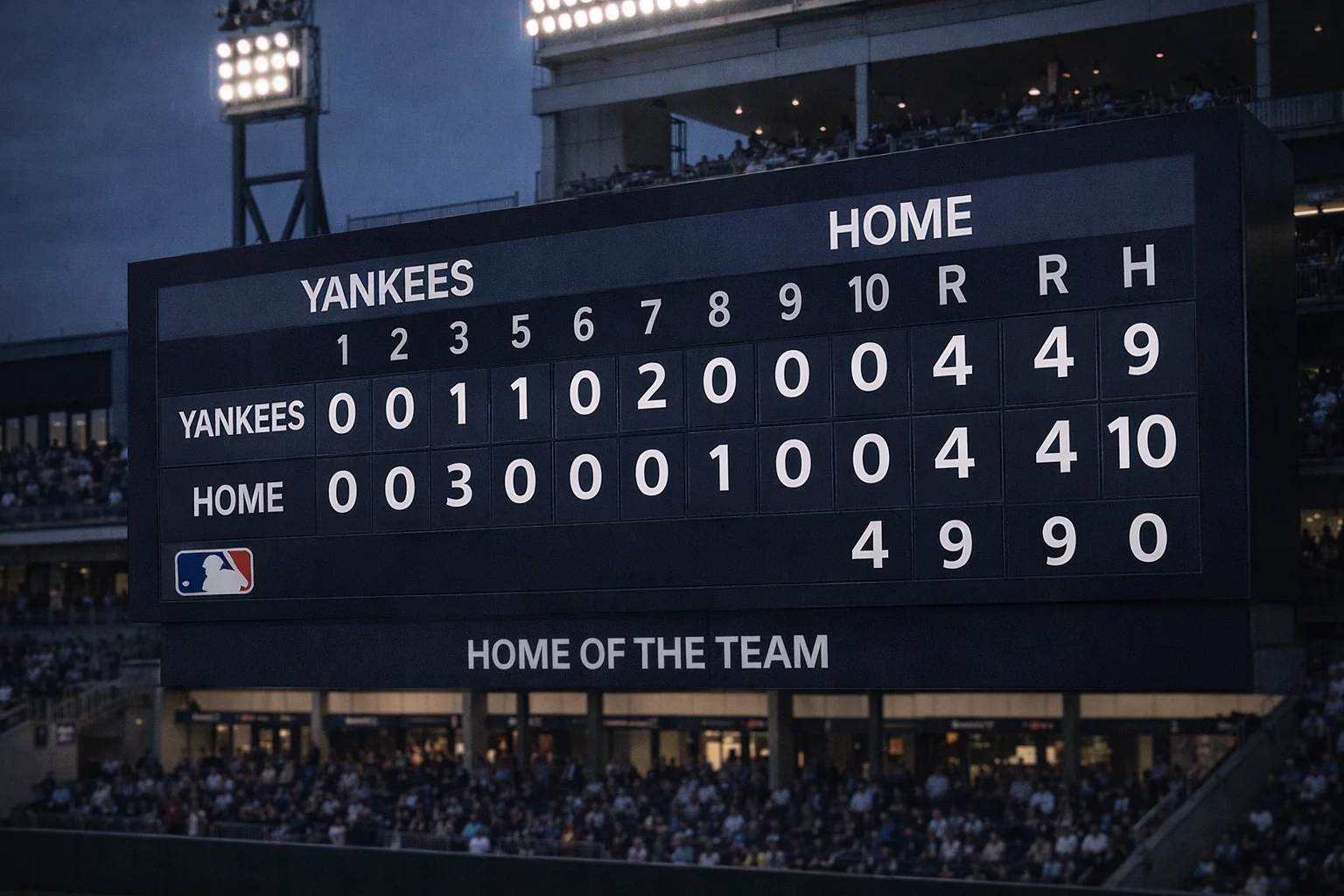
The run line sets a spread of 1.5 runs on every game, with the favorite laying -1.5 and the underdog getting +1.5. Unlike football or basketball spreads that move based on betting action and team quality, the 1.5 is fixed, with odds adjusting instead.
The fixed 1.5 spread creates different value dynamics than variable spreads. Approximately 30% of baseball games finish as one-run outcomes, making the +1.5 underdog significantly more likely to cover than to win outright. A team might be a heavy underdog on the moneyline but only a slight underdog on the run line due to this close-game frequency.
Favorites on the run line at juicy plus-money can offer value when the team has a strong bullpen to protect late leads. A -200 moneyline favorite might be +135 on the run line; if they’re likely to win by multiple runs, the run line offers better expected value.
Underdog run lines provide insurance against close losses but carry a cost. Taking +1.5 reduces your potential profit compared to the moneyline when the underdog wins outright. The trade-off between higher win probability and lower payout defines run line value assessment.
First-five-inning lines (F5) remove bullpen variance from the equation. If your edge is entirely about starting pitcher matchups and you want to avoid random bullpen outcomes, F5 betting lets you bet only the portion of the game where starters pitch. The reduced variance comes with adjusted odds reflecting the shorter betting window.
Totals Betting in Baseball
Baseball totals behave differently than football or basketball totals. The lower scoring and game-to-game variance create distinct betting dynamics.
Park factors significantly influence expected scoring. Coors Field in Denver creates offense that doesn’t exist elsewhere. Pitcher-friendly parks like Oakland or San Francisco suppress scoring. The same matchup might produce different total expectations based entirely on venue. Understanding park factors helps identify when lines haven’t fully adjusted for environment.
Weather affects baseball scoring more subtly than football but still matters. Hot, humid air carries balls farther; cold, heavy air suppresses home runs. Wind direction at a given stadium can add or subtract runs from expected totals. Day games in summer favor hitters more than night games when fatigue affects pitchers less.
Umpire tendencies create game-to-game variance. Some umpires have consistently large or small strike zones, affecting walk rates and pitcher effectiveness. Historical umpire data can help project whether a specific game will run higher or lower than the posted total.
Bullpen quality and usage affect late-game scoring. If both teams have depleted bullpens from heavy recent work, more runs might score in late innings. If both teams have rested, high-leverage relievers, scoring becomes harder. Projecting bullpen availability helps evaluate totals.
Moneyline Strategy
Moneyline betting dominates baseball for good reason: in a sport where any team can beat any other on a given day, paying heavy prices on favorites often destroys value. Underdog betting has historically outperformed favorite betting in baseball markets.
The key to profitable moneyline betting is identifying when favorites are overpriced and underdogs offer value. A -180 favorite needs to win 64% of the time to break even. Does this specific matchup really produce that probability, or has the market overreacted to team reputation or recent performance?
Underdog value appears when strong starters face teams that are priced heavily as favorites for reasons beyond the day’s matchup. A mediocre team with an ace facing a good team with a struggling starter might be plus-money when they should be closer to pick’em.
Small favorites in the -110 to -130 range offer lower risk than heavy favorites. You’re not laying huge prices to win modest amounts, and you avoid the long-term drain of paying heavy juice on lines that don’t convert often enough.
The value of shopping moneylines is enormous in baseball. The difference between +150 and +160 on an underdog represents significant expected value over hundreds of bets. Multiple sportsbook accounts and consistent line comparison maximize your baseball betting returns.
Advanced Metrics for Baseball Handicapping
Modern baseball analysis provides sophisticated tools that sharp bettors use to gain edge. Understanding these metrics improves your ability to evaluate matchups and spot mispriced lines.
wOBA (weighted on-base average) measures offensive production better than batting average or OPS. It weights different outcomes (walks, singles, home runs) according to their actual run value. Team wOBA helps compare offenses more accurately than traditional stats.
wRC+ (weighted runs created plus) adjusts offensive production for park and league, creating a context-neutral metric. A 120 wRC+ means 20% above league average regardless of where the team plays. This adjustment is crucial for comparing teams across different home environments.
For pitchers, xFIP and SIERA estimate true ability better than ERA. These metrics account for luck on balls in play and home run rates, isolating what pitchers control. A pitcher with high ERA but elite xFIP might be undervalued; one with low ERA but poor peripherals might be overpriced.
Batted ball data (exit velocity, launch angle, barrel rate) predicts future performance. A hitter or pitcher whose actual results don’t match their batted ball quality is likely to regress. Identifying these regression candidates helps find value on lines priced to current results rather than underlying skill.
Seasonal Betting Patterns

Baseball’s long season creates distinct betting patterns across different periods.
Early season betting is volatile. Small samples make true team quality unclear, and cold weather affects performance. Contrarian bettors often fade early overreactions to hot or cold starts, betting on regression.
Mid-season stability provides the most reliable betting environment. Sample sizes are large enough to be meaningful, rosters have settled, and true team quality is apparent. Lines become sharper as the market processes accumulated information.
Late season introduces motivation variance. Contending teams push hard for playoff positioning; eliminated teams lose focus and rest key players. September call-ups change roster composition. Understanding which teams are playing meaningful games helps evaluate lines.
Playoff betting differs dramatically from regular season. The best teams advance, reducing the quality gap between opponents. Home field matters less over short series. Pitching matchups dominate as teams ride their best starters. The betting approach that works in July might fail in October.
Managing Baseball Betting Volume
The sheer volume of baseball games, 15 per day for much of the season, creates temptation to overbet. Maintaining discipline about game selection is essential.
Not every game offers edge. Many lines are priced efficiently; betting them means paying juice without expectation of profit. Passing on games where you lack clear edge preserves bankroll for better opportunities.
Specialization often beats breadth. Bettors who focus on specific divisions or teams develop expertise that generalizes bettors lack. If you know the AL East intimately, focus there rather than spreading attention across all thirty teams.
Track your results by bet type and identify what works. If your totals bets consistently profit while your moneylines break even, emphasize totals. If your F5 bets outperform full-game bets, understand why and adjust accordingly.
Baseball’s sample size is an asset for learning. Hundreds of opportunities per season let you refine your approach and identify profitable patterns faster than sports with fewer games. Use the volume for education, not just action.
See also NBA betting strategies.
