


There’s a certain freedom in betting totals that side bets don’t offer. When you wager on the over or under, you don’t care which team wins. You’re not sweating late-game heroics or controversial calls that determine possession. You’re simply watching the scoreboard tick upward and hoping it lands on your side of a number. That detachment from outcomes makes totals betting uniquely enjoyable, but the simplicity of the concept belies genuine strategic depth.
Totals betting asks one question: will the combined score of both teams exceed or fall short of the sportsbook’s projected number? That’s it. The oddsmaker sets a line, you decide whether the final tally goes over or under, and you either collect or lose based on where the scoring lands. This straightforward premise applies across virtually every sport, from NFL shootouts to pitcher’s duels in baseball to defensive grinds in hockey.
Over/under betting on brom bet.
How Over/Under Lines Work
Sportsbooks employ quantitative analysts, historical data, and proprietary algorithms to establish totals for every game on the board. The number represents their best estimate of combined scoring based on offensive efficiency, defensive strength, pace of play, and contextual factors like injuries, weather, and venue. When you see a football game posted at 47.5, oddsmakers believe the most likely combined score clusters around 47 or 48 points.
The half-point exists to eliminate pushes. Since you can’t score half a point in any sport, lines like 47.5 or 213.5 guarantee a winner. Either the game goes over or it goes under. Whole-number totals, like 47 or 214, can result in pushes where your stake returns without profit or loss. Most books prefer half-point totals because definitive outcomes simplify settlement and reduce customer service complications.
Standard juice on totals mirrors spread betting at -110 on both sides. Wager $110 to win $100 regardless of whether you take the over or under. This pricing can shift when action comes in heavily on one side. If the betting public pounds the over, you might see the over move to -115 while the under drops to -105, creating a price incentive for contrarian bettors to take the less popular side.
The total itself also moves based on betting activity and late-breaking information. A game opening at 48.5 might settle at 46 by kickoff if sharp money hammers the under or if weather forecasts turn ugly. Tracking these movements helps you understand market sentiment and potentially identifies when you should act before favorable numbers disappear.
Sport-Specific Totals Characteristics
Each sport has its own typical totals range and factors that influence scoring. Understanding these distinctions helps you analyze over/under opportunities more effectively.
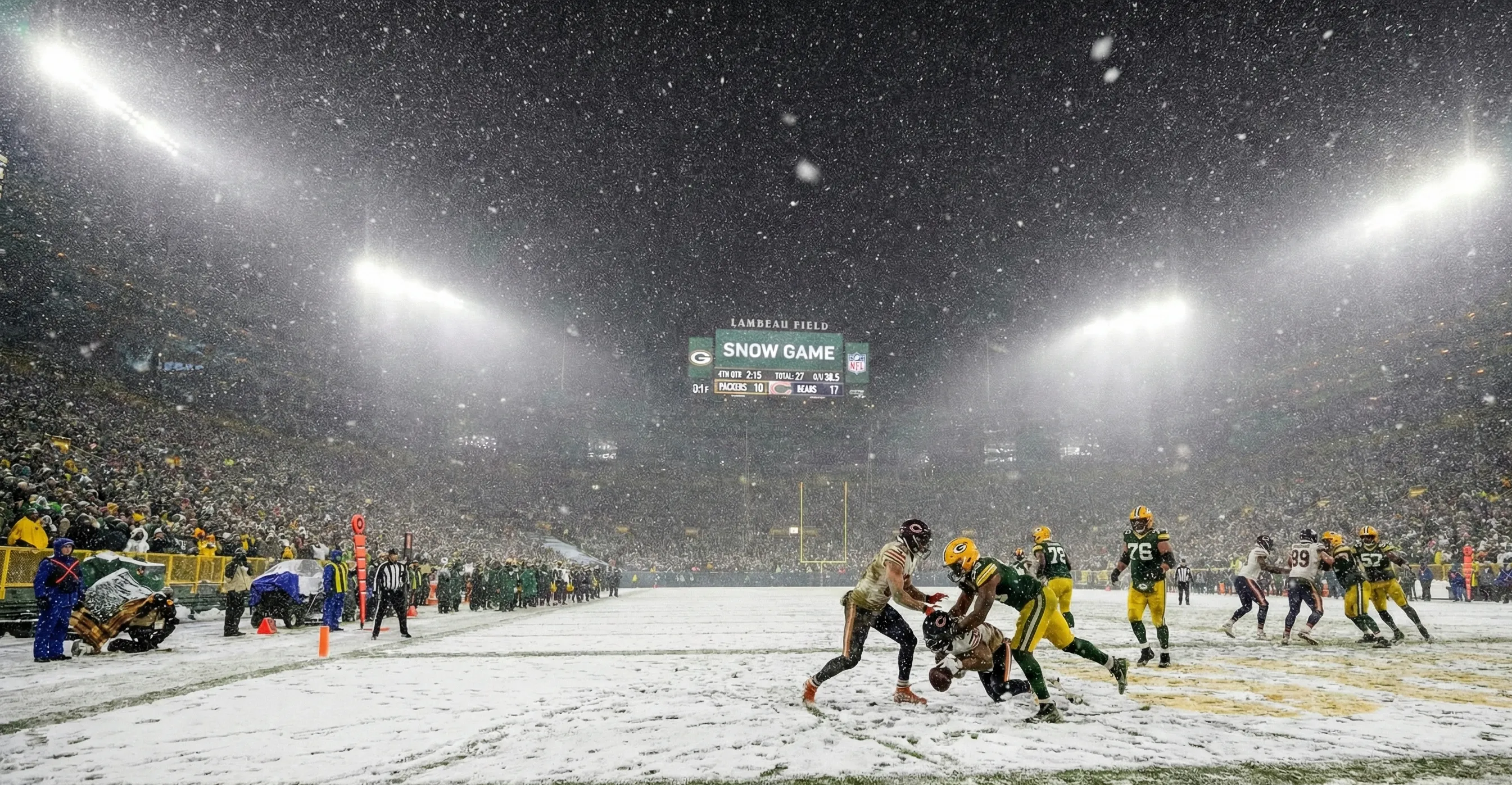
NFL totals generally range from the high 30s to low 50s, with most games landing between 42 and 50. Weather significantly impacts football scoring since wind affects passing games and cold temperatures lead to more running plays and shorter possessions. Dome games and warm-weather sites produce higher totals on average. Key offensive injuries, particularly to quarterbacks, immediately affect projections. A backup quarterback situation might knock three to five points off a total.
NBA totals have climbed dramatically over the past decade. Games that once posted around 200 points now routinely feature totals exceeding 220 as pace and three-point shooting have transformed the league. The NBA’s 82-game grind creates fatigue situations, particularly on back-to-back games, that often suppress scoring. Teams playing their fourth game in five nights rarely hit their season-average offensive numbers.
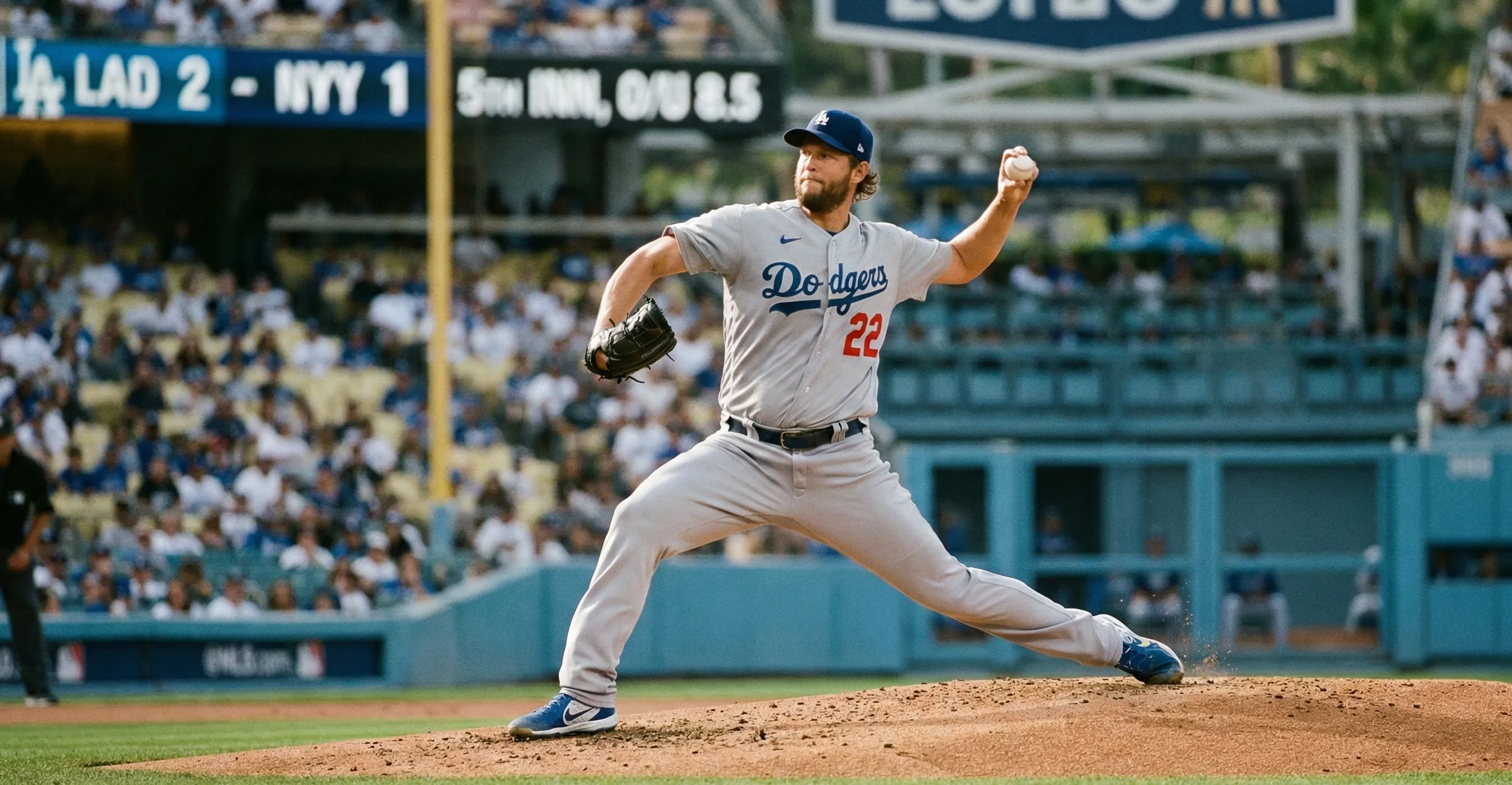
MLB totals cluster between 7 and 9.5 runs for most matchups, with starting pitching serving as the primary driver. An elite pitcher facing a weak lineup might see a total around 7, while two mediocre starters in a hitter-friendly park could push double digits. Weather matters enormously in baseball: wind blowing out at Wrigley Field adds runs while wind blowing in suppresses home runs. Ballpark dimensions also factor heavily since some venues play as significant run environment multipliers.
NHL totals hover around 5.5 to 6.5 goals for most games, making hockey the tightest totals sport. Goaltender matchups dominate pricing. A top-tier goalie facing a backup can swing a total by half a goal or more. The low-scoring nature means a single fluky goal dramatically affects outcomes, making hockey totals particularly volatile despite their narrow range.
Soccer totals typically sit at 2.5 or 3 goals, representing the lowest scoring mainstream betting sport. The compressed range means you’re usually deciding whether three or more goals will be scored versus two or fewer. This binary nature creates consistent patterns based on league tendencies. Some leagues consistently produce goal-heavy matches while others trend defensive.
Factors That Move Totals
Understanding what drives total movement helps you anticipate line changes and potentially get down on favorable numbers before they shift.
Weather affects outdoor sports dramatically. Wind above 15 mph suppresses passing games in football and makes home runs scarcer in baseball. Rain creates ball control issues and shorter possessions. Extreme cold slows pace and leads to conservative play-calling. When forecasts change between line release and game time, expect totals to adjust accordingly.
Injuries to key offensive players immediately impact totals. A starting quarterback going down might drop an NFL total three to five points. A baseball ace scratched for a bullpen game could add a run or more. The market responds quickly to confirmed injury news, so timing your bets around injury reports matters.
Pace of play indicators help predict scoring environment. Teams that run more plays per game produce more opportunities for both sides to score. Matchups between two uptempo teams typically warrant higher totals than games featuring methodical, clock-control offenses.
Sharp betting action moves lines regardless of public sentiment. When professional bettors collectively target one side of a total, books adjust to limit their exposure. Tracking line movement relative to reported betting percentages reveals when sharp money has entered the market.
Public bias tends to favor overs. Recreational bettors want to root for scoring, and watching a game hoping for points is more engaging than cheering for defensive stops. This consistent bias sometimes creates value on unders, though sportsbooks price accordingly.
Strategies for Totals Betting
Profitable totals betting requires more than guessing whether games will be high or low scoring. You need systematic approaches that identify when the posted number diverges from your own projections.
Developing pace and efficiency metrics for teams you follow regularly gives you an edge over casual bettors relying on surface-level impressions. Track possessions per game, points per possession, opponent defensive efficiency, and how these numbers change based on matchups and situations. When your projections consistently differ from posted totals, you’ve identified a potential edge.
Weather monitoring is mandatory for outdoor sports. Don’t rely on sportsbook adjustments; do your own analysis of how wind, precipitation, and temperature affect the specific teams playing. Some quarterbacks perform better in adverse conditions than others. Some pitchers excel in cold weather while others struggle. This granular knowledge translates to betting opportunities when books make generic weather adjustments.
Situational analysis matters for totals as much as sides. Teams playing meaningless late-season games often produce chaotic scoring as starters rest and reserves get extended playing time. Back-to-back situations in basketball create fatigue that suppresses scoring. Cross-country travel, especially westbound, impacts performance in quantifiable ways.
Shopping for the best number applies to totals just as it does spreads. The difference between taking the under at 48 versus 47.5 might not seem significant, but that half-point represents the difference between a push and a loss roughly 2-3% of the time in football. Over hundreds of bets, these small edges compound substantially.
Team Totals and Derivative Markets
Beyond game totals, sportsbooks offer team totals allowing you to bet on one team’s scoring independent of their opponent. If you believe the Cowboys will light up the scoreboard but aren’t sure whether Dallas’s defense can contain the opposing offense, team totals let you isolate your conviction.
Team totals carry higher juice than game totals, typically -115 or worse on each side, because they’re essentially half of a game total with the same pricing structure. This increased cost means you need sharper edges to profit. However, team totals offer analytical clarity when you have strong opinions about one offense or defense but uncertainty about the other.
First-half and first-quarter totals provide opportunities to exploit early-game tendencies. Some teams start slowly and surge late while others jump out fast and coast. If your research reveals consistent patterns, derivative totals let you target those tendencies specifically rather than hoping early trends hold throughout the entire game.
Alternate totals allow you to buy or sell points at adjusted odds. Taking the over at 44.5 instead of 47.5 costs you significantly more juice but gives you three extra points of cushion. Conversely, taking the under at 51.5 instead of 47.5 pays better odds while requiring a more emphatic defensive performance. These tools let you tailor your risk-reward based on conviction level.
Avoiding Common Totals Mistakes
The most frequent totals betting error is overreacting to recent scoring. If two teams combined for 70 points last week, the public piles on the over in their next games regardless of context. Regression to the mean is real, and extreme scoring outcomes rarely repeat in consecutive weeks. Let the data guide you, not highlights.
Ignoring game script implications leads to poor totals analysis. A massive favorite might build a lead and grind out the clock, suppressing the total despite having a potent offense. A game with significant playoff implications between evenly matched teams might stay tight throughout, with conservative coaching limiting possessions and scoring chances.
Failing to consider overtime inclusion catches some bettors off guard. Most totals include overtime unless explicitly stated otherwise. A game that finishes 24-24 in regulation and goes to overtime suddenly has additional scoring opportunities that wouldn’t exist in a decisive finish. This particularly matters in college football’s overtime rules, which virtually guarantee additional points.
Chasing losses on totals compounds mistakes. After an under loses to a late touchdown, the temptation is to take over on the next game to “get it back.” This revenge betting ignores the analytical process that should drive every wager. Each bet stands alone, and emotional decisions consistently underperform disciplined analysis.
Totals betting offers a refreshing alternative to picking winners and losers. You’re wagering on game environment rather than team superiority. Master the factors that drive scoring across different sports, develop your own projections, and bet when the posted numbers diverge from your analysis. That systematic approach transforms casual over/under guessing into a genuine betting strategy.
See also point spreads.
