

Point spread betting exists because not every sporting event features evenly matched opponents. When the Chiefs play a struggling franchise or Alabama hosts a mid-tier opponent, the outcome feels predetermined. Moneyline bets on heavy favorites pay next to nothing because the sportsbook knows what you know: the better team usually wins. Point spreads solve this problem by creating a handicap that theoretically gives both sides an equal chance of covering.
The spread essentially asks a different question than the moneyline. Instead of “who wins?” it asks “by how much?” This shift transforms lopsided matchups into genuine competitions from a betting perspective. Suddenly that game between powerhouse and underdog becomes interesting again, because even if the favorite wins by 10 points, they might not have won by enough to cover the 14-point spread.
Understanding point spreads on brom bet.
How Point Spreads Work
A point spread represents the projected margin of victory between two teams. The favorite receives a negative number indicating how many points they must win by to cover. The underdog gets a positive number representing their built-in cushion. If the Bills are -7 against the Jets, Buffalo must win by more than seven points for a Bills spread bet to cash. The Jets at +7 can lose by up to six points and still cover, or they can win outright.
This system creates balanced action on both sides of a bet, which is precisely what sportsbooks want. Without spreads, everyone would pile money on obvious favorites, leaving books exposed to massive liability. By handicapping the favorite, oddsmakers attract bets on both sides and collect their commission regardless of outcome. A perfectly balanced book is a profitable book.
The half-point, or “hook,” eliminates the possibility of a push where the margin lands exactly on the spread number. When the Chiefs are -3.5 instead of -3, they must win by four or more. There’s no middle ground. Pushes return your stake without profit or loss, and sportsbooks would rather have decisive outcomes. You’ll frequently see spreads like -6.5 or +2.5 specifically to avoid ties.
Standard juice on spread bets is -110 on both sides, meaning you risk $110 to win $100 regardless of which team you back. Some books occasionally offer reduced juice at -105 or even -102 as a promotional incentive. This matters more than most bettors realize. Over hundreds of bets, the difference between -110 and -105 juice compounds into substantial savings.
Key Numbers in Football Spread Betting
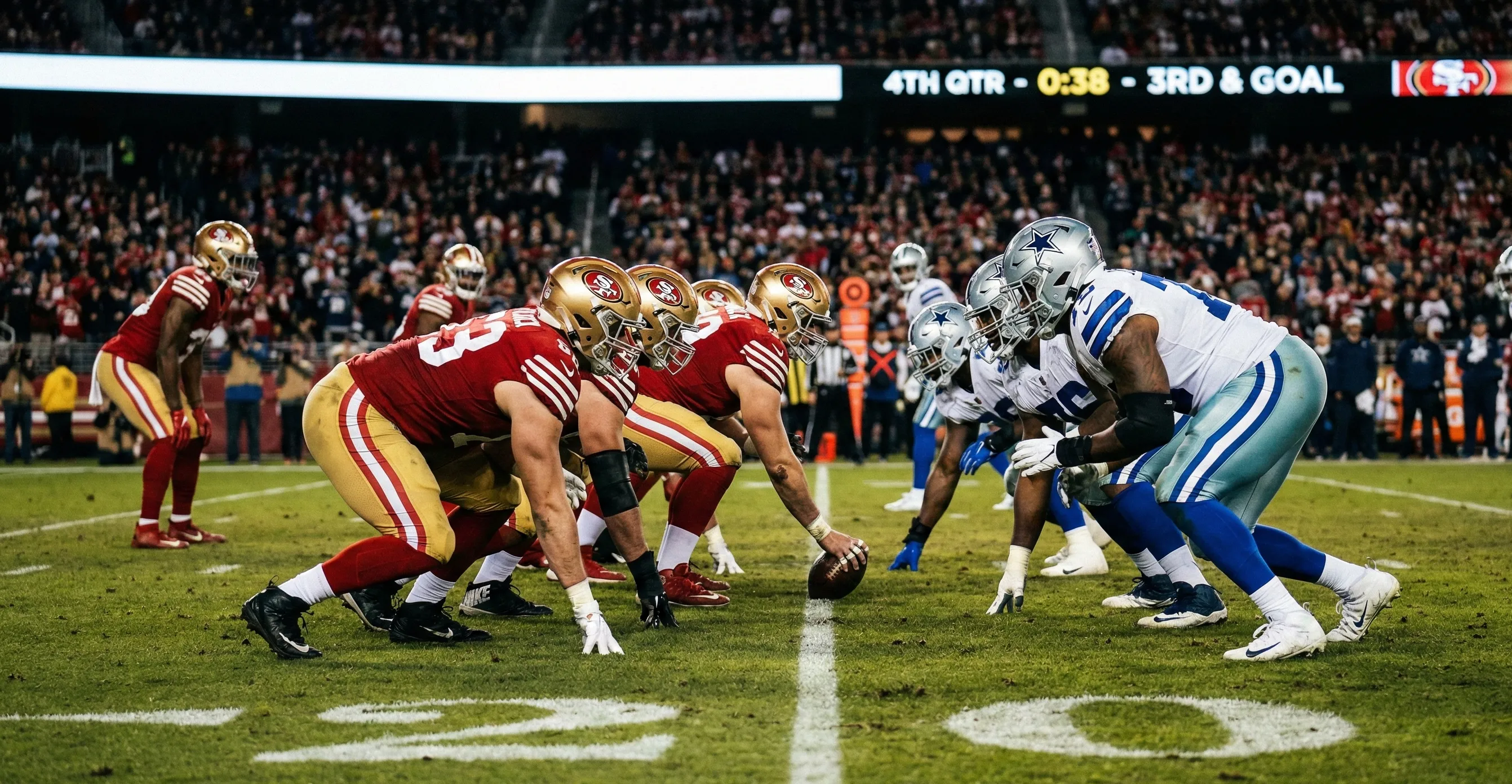
Football spreads cluster around certain numbers more than others because of how the game is scored. Field goals worth three points and touchdowns with extra points worth seven points create natural final margin frequencies. Understanding these “key numbers” gives spread bettors an informational edge.
The number 3 dominates NFL margins of victory. Historically, roughly 15% of NFL games end with a three-point differential. This makes the -3/+3 spread line particularly sensitive. The difference between laying -3 and laying -3.5 is enormous because that half-point determines whether a field goal win pushes or loses your bet. Sharp bettors pay extra attention when lines cross through 3.
Seven is the second most common NFL margin, accounting for around 9% of games. Combined touchdown-plus-extra-point swings create scenarios where games frequently end on this number. When you see a spread move from -7 to -7.5 or -6.5 to -7, the book is making a significant adjustment that affects your expected outcomes considerably.
Ten holds importance as the combination of a touchdown and a field goal, while 14 represents two touchdowns. These numbers appear less frequently than 3 or 7 but still occur more often than random distributions would suggest. Professional bettors factor key number positioning into their spread analysis, sometimes accepting worse odds to stay on the favorable side of a key number.
College football spreads behave differently due to wider talent disparities between programs. You’ll see spreads exceeding 30 points when elite programs host weaker opponents, and blowouts are common enough that these large spreads regularly come into play. The key numbers concept still applies, but the sheer range of possible spreads makes college football a different analytical challenge than the NFL.
Basketball and Other Sports
NBA spreads operate on similar principles but without the fixed key numbers that football’s scoring system creates. Basketball games can end on any score, so there’s no natural clustering around specific margins. What you will notice is that NBA spreads tend to be larger than NFL spreads because basketball produces higher-scoring affairs with more variance in margin of victory.
Double-digit favorites appear regularly in the NBA, particularly when elite teams host struggling opponents. However, basketball’s pace and scoring environment means leads change hands frequently, and late-game garbage time can dramatically affect margins. A team up by 20 might pull their starters and allow a meaningless 10-0 run that affects spread bettors without mattering to the actual outcome. This “backdoor cover” phenomenon frustrates basketball spread bettors perhaps more than any other sport-specific quirk.
Baseball uses the “run line,” which is essentially a fixed 1.5-run spread. The favorite sits at -1.5 while the underdog gets +1.5. Unlike football and basketball, the spread itself rarely moves since baseball games produce fewer runs than football produces points. Instead, the juice attached to each side of the run line fluctuates based on expected margin. A heavy favorite might be -1.5 at -180 while the underdog is +1.5 at +155.
Hockey employs the “puck line” with the same 1.5-goal structure as baseball’s run line. The low-scoring nature of hockey makes covering -1.5 challenging since many games are decided by a single goal. This explains why puck line favorites often carry substantial juice while underdogs at +1.5 are frequently plus-money.
Reading Line Movement
Spreads aren’t static. They shift based on betting action, injury news, weather reports, and sharp money from professional bettors. Learning to read and interpret line movement helps you understand market sentiment and sometimes reveals betting opportunities.
When a spread moves against the public betting percentages, something interesting is happening. If 75% of bettors are taking the Chiefs at -3 but the line moves to -2.5, the book is essentially raising the price on Kansas City’s opponent despite public money favoring the Chiefs. This reverse line movement often indicates that sharp bettors or syndicate money came in heavy on the underdog, and the book adjusted to limit their exposure.
Opening lines represent the market’s initial assessment before significant money starts flowing. These numbers reflect the oddsmakers’ power ratings and adjustments for home-field advantage, injuries, and other factors. Between the opener and game time, the line might move several points in response to betting activity. Tracking this movement provides insight into where professional money is landing.
Steam moves are sudden, sharp line movements across multiple sportsbooks simultaneously. They typically indicate a coordinated betting push from professional bettors or groups who’ve identified a vulnerable line. By the time you notice a steam move, the value is usually gone, but recognizing the pattern helps you understand market dynamics.
The closing line, captured right before game time, represents the market’s most accurate assessment after all information has been processed and all bets placed. Studies consistently show that closing lines predict game outcomes better than opening lines. Beating the closing line regularly indicates genuine handicapping skill, which is why professional bettors use closing line value as a key performance metric.
Strategies for Spread Betting
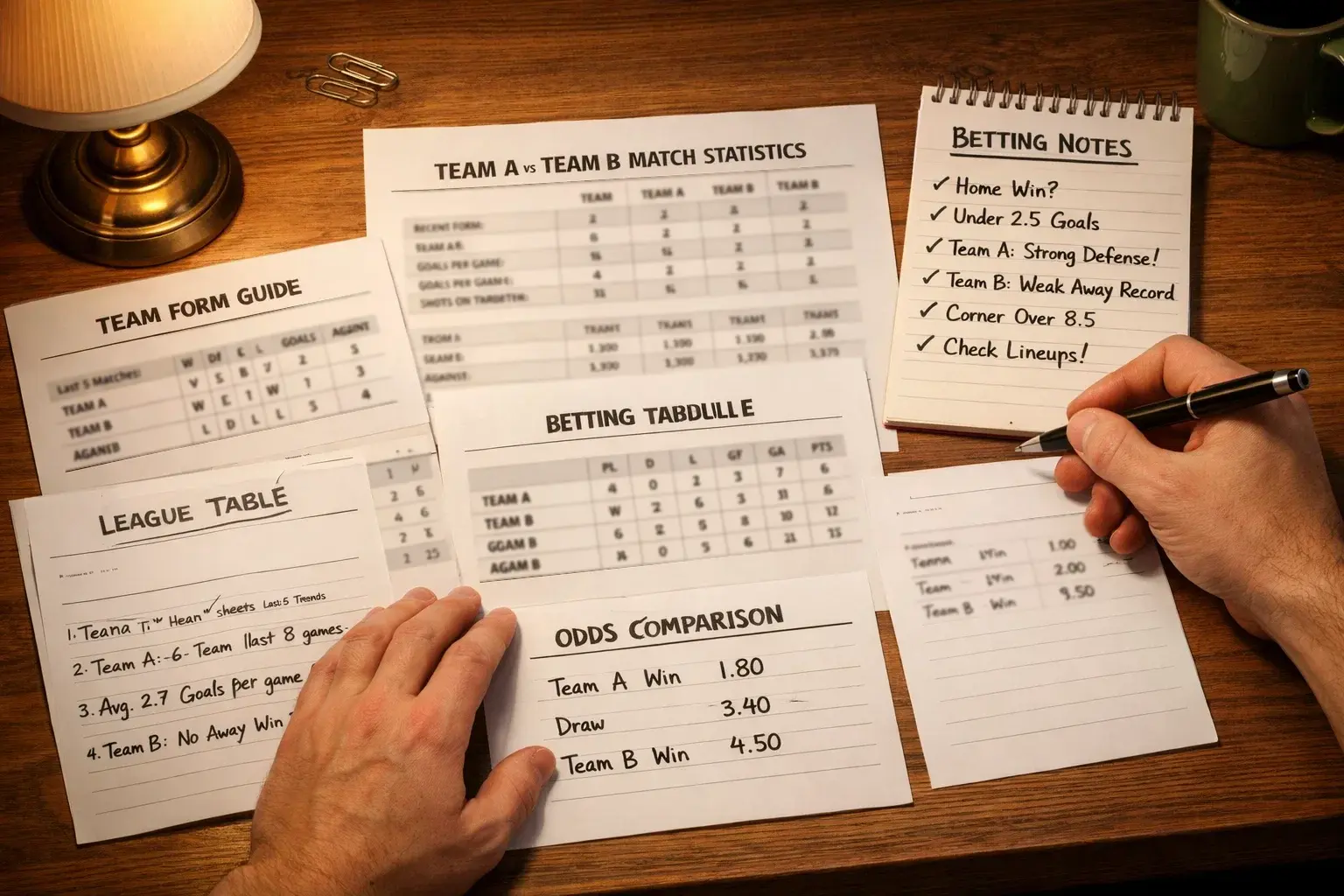
Successful spread betting starts with having your own power ratings or assessment methodology. You need a framework for determining what you think the spread should be before comparing to the posted line. If your model says the Bills should be -4.5 but the book posts -7, you’ve identified potential value on the Jets side. Without your own baseline, you’re simply reacting to the market rather than analyzing it.
Home-field advantage factors into every spread, typically worth 2.5 to 3 points in the NFL and slightly more in college football. When the listed spread seems off relative to your power ratings, check whether you’ve properly accounted for venue. Sharp bettors have their own home-field adjustments calibrated to specific stadiums, coaches, or crowd environments.
Situational spots matter in spread betting more than moneyline betting. A team coming off a short week, traveling across time zones, or playing in a sandwich spot between two marquee games might underperform expectations regardless of talent level. These factors don’t change who wins as often as they affect margin of victory.
Shopping for the best number is non-negotiable. If you’re taking an underdog, the difference between +3 and +3.5 is massive given how often NFL games land on three. Having accounts at multiple sportsbooks lets you grab the best available spread, and that half-point edge compounds over your betting career. Professional bettors maintain accounts at a dozen or more books specifically for line shopping purposes.
See also over/under betting.
Teaser bets allow you to adjust spreads in your favor in exchange for combining multiple picks at reduced odds. A standard NFL teaser moves each spread six points. That +1.5 underdog becomes +7.5, while the -8 favorite becomes -2. Crossing through key numbers with teasers, particularly turning -8 into -2 or +1.5 into +7.5, creates favorable mathematical scenarios that have kept teasers profitable for disciplined bettors despite their parlay structure.
Point spread betting rewards patience, research, and discipline. The spread asks you to predict not just who wins but the texture and flow of the game itself. Getting that prediction right consistently separates recreational bettors from those who treat sports betting as a serious analytical pursuit.
