


Among the various parlay derivatives sportsbooks offer, the teaser occupies a unique position. It’s a bet that actually makes mathematical sense under specific circumstances, something you can’t say about most multi-leg wagers. While standard parlays compound the house edge with each added leg, teasers can flip this dynamic when applied strategically to the right numbers in the right sport. The key word is “can,” because most teaser bets remain as unprofitable as the parlays they resemble.
The teaser originated as a way to give bettors more points in exchange for reduced payouts and the requirement to hit multiple selections. Sportsbooks were happy to offer this trade because they assumed the reduced odds would more than compensate for the extra points given. What they didn’t anticipate was that sharp bettors would identify specific situations where those extra points crossed critical scoring thresholds, transforming marginal propositions into positive-expected-value opportunities.
Teaser bets on brom bet.
How Teaser Mechanics Work
A teaser allows you to adjust the point spread or total on two or more selections by a fixed number of points in your favor. The most common teaser in football is the six-point version, where you move each spread or total by six points. You might tease a -7.5 favorite down to -1.5, or an underdog from +3 up to +9. Every selection must win for the teaser to cash, just like a standard parlay.
The trade-off for those extra points comes in reduced payouts compared to standard parlays. A two-team parlay at -110 odds pays around +264, but a two-team six-point teaser typically pays only -110 or -120. You’re giving up significant potential return in exchange for a higher probability of winning each leg.
Teasers come in various point sizes depending on the sport and sportsbook. Football offers six, six-and-a-half, seven, and ten-point teasers as standard options. Basketball teasers typically adjust lines by four, four-and-a-half, or five points. The more points you buy, the worse the payout, creating a sliding scale between probability and return.
The mathematics become critical when evaluating whether a teaser offers value. A two-team teaser at -110 odds requires winning 52.4% of the time to break even, the same as any -110 straight bet. But since you need both legs to hit, each individual leg needs to win approximately 72.4% of the time to reach that overall 52.4% threshold. The question becomes: do the extra points push your win rate above 72.4% per leg?
The Importance of Key Numbers in Football
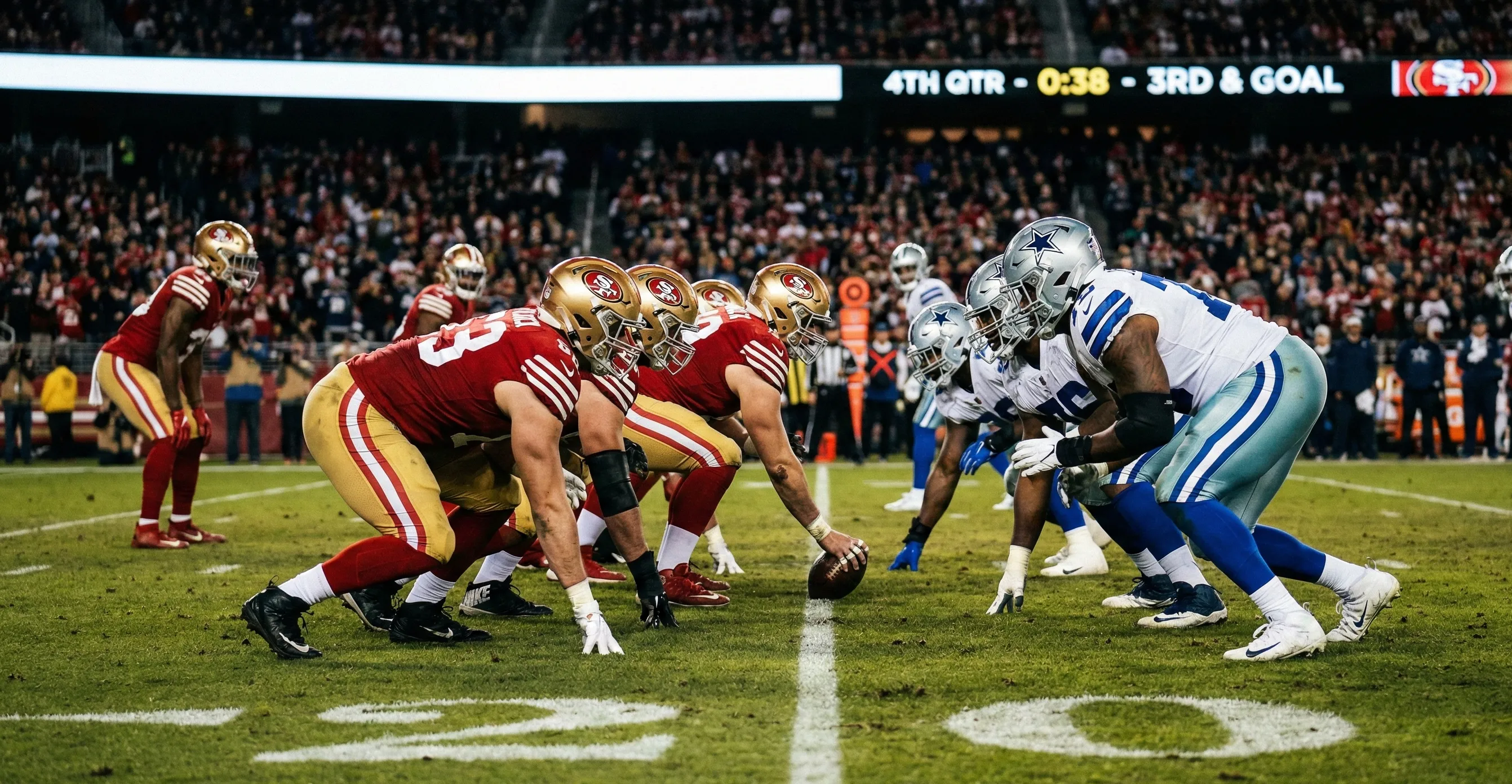
Football’s scoring system creates predictable patterns in final margins that make teasers either highly valuable or completely pointless depending on the numbers involved. Field goals worth three points and touchdowns worth seven (with the extra point) concentrate final margins around specific numbers that sharp bettors have studied extensively.
Three is the single most important number in NFL betting. Approximately 15% of all games end with exactly a three-point margin of victory. Seven runs second at around 10%, followed by six at about 5% and four at 5%. Combined, nearly half of all NFL games finish with margins of 3, 4, 6, 7, 10, or 14 points.
This concentration means that crossing through these key numbers dramatically increases your probability of covering a spread. Moving a line from -7.5 to -1.5 crosses both three and seven, capturing scenarios where you’d lose a straight spread bet but win the teaser. Moving from +2.5 to +8.5 accomplishes the same crossing in the opposite direction.
Conversely, moving through non-key numbers provides minimal additional coverage. Teasing a -5 to +1 crosses only zero and four, neither of which are major landing spots for NFL margins. You’re spending your teaser points inefficiently, getting far less probability improvement than the point movement suggests.
Wong Teasers and Basic Strategy
Professional gambler Stanford Wong popularized the strategic approach to teaser betting that now bears his name. Wong’s research, published in his book Sharp Sports Betting, identified the specific spread ranges where six-point teasers showed historical profitability. These became known as Wong Teasers or basic strategy teasers.
The core principle is straightforward: tease only spreads that cross through both three and seven. For favorites, this means original spreads between -7.5 and -8.5, which tease down to between -1.5 and -2.5. For underdogs, original spreads between +1.5 and +2.5 tease up to between +7.5 and +8.5. These specific ranges maximize the probability gain per point spent.
Historical data supports this approach. NFL games with favorites in the -7.5 to -8.5 range teased to -1.5 to -2.5 have covered at rates exceeding 73% over large sample sizes. Underdogs teased from the +1.5 to +2.5 range up to +7.5 to +8.5 show similar success rates. Both figures exceed the 72.4% threshold needed for profitability at standard -110 teaser pricing.
The strategy requires patience and discipline. Not every week produces multiple Wong-eligible games, and forcing teasers onto non-qualifying spreads destroys the mathematical edge. Sharp teaser bettors often go weeks without placing a bet rather than compromise on number selection.
Why Most Teasers Lose
The profitable teaser opportunities represent a small fraction of what sportsbooks offer. Most bettors approach teasers as easier parlays, selecting their favorite teams regardless of spread positioning and assuming the extra points make winning simple. This approach guarantees long-term losses.
Teasing through non-key numbers wastes points. Moving a -10 favorite to -4 still leaves you needing a five-point victory, missing the critical three and seven landing spots. The probability improvement is real but insufficient to overcome the parlay structure’s inherent disadvantage.
Teasing large favorites feels safe but performs poorly. A -14 favorite moved to -8 seems like easy money, but double-digit favorites often win by blowout margins that would cover anyway or struggle to win at all. The extra points help less than intuition suggests because the distribution of outcomes doesn’t concentrate where you need it.
College football teasers perform worse than NFL teasers due to greater scoring variance and larger typical margins. The key numbers still exist, but the higher-scoring environment means games land on them less consistently. Sharp bettors generally avoid college teasers entirely.
Basketball teasers face similar challenges. The sport’s scoring volatility and typical margin distribution don’t create the same probability concentration around specific numbers. Four-point teasers in basketball don’t provide the same probability boost that six-point teasers do in football.
Teaser Pricing and Line Shopping
Sportsbooks understand teaser value and have adjusted their approach accordingly. The most significant defensive measure involves shading spreads away from Wong-eligible numbers. Instead of posting a -7.5 spread, books might post -9, preventing bettors from crossing both three and seven with a standard six-point teaser.
Pricing also varies significantly across sportsbooks. A two-team six-point teaser might cost -110 at one book and -125 at another. This 15-cent difference in juice dramatically affects breakeven requirements and long-term profitability. Line shopping matters as much for teasers as for any other bet type.
Some books offer enhanced teaser pricing for promotional purposes. Reduced juice teasers at -105 or even +100 significantly improve the mathematics, making marginal Wong opportunities clearly profitable and potentially expanding the range of playable numbers.
Watch for teaser rules regarding pushes. Most books reduce teaser legs that push to the next lowest parlay tier, so a three-team teaser with one push becomes a two-team teaser. However, some books grade pushes as losses on teasers, destroying their value entirely. Always verify the rules before betting.
Ten-Point Teasers and Advanced Strategies
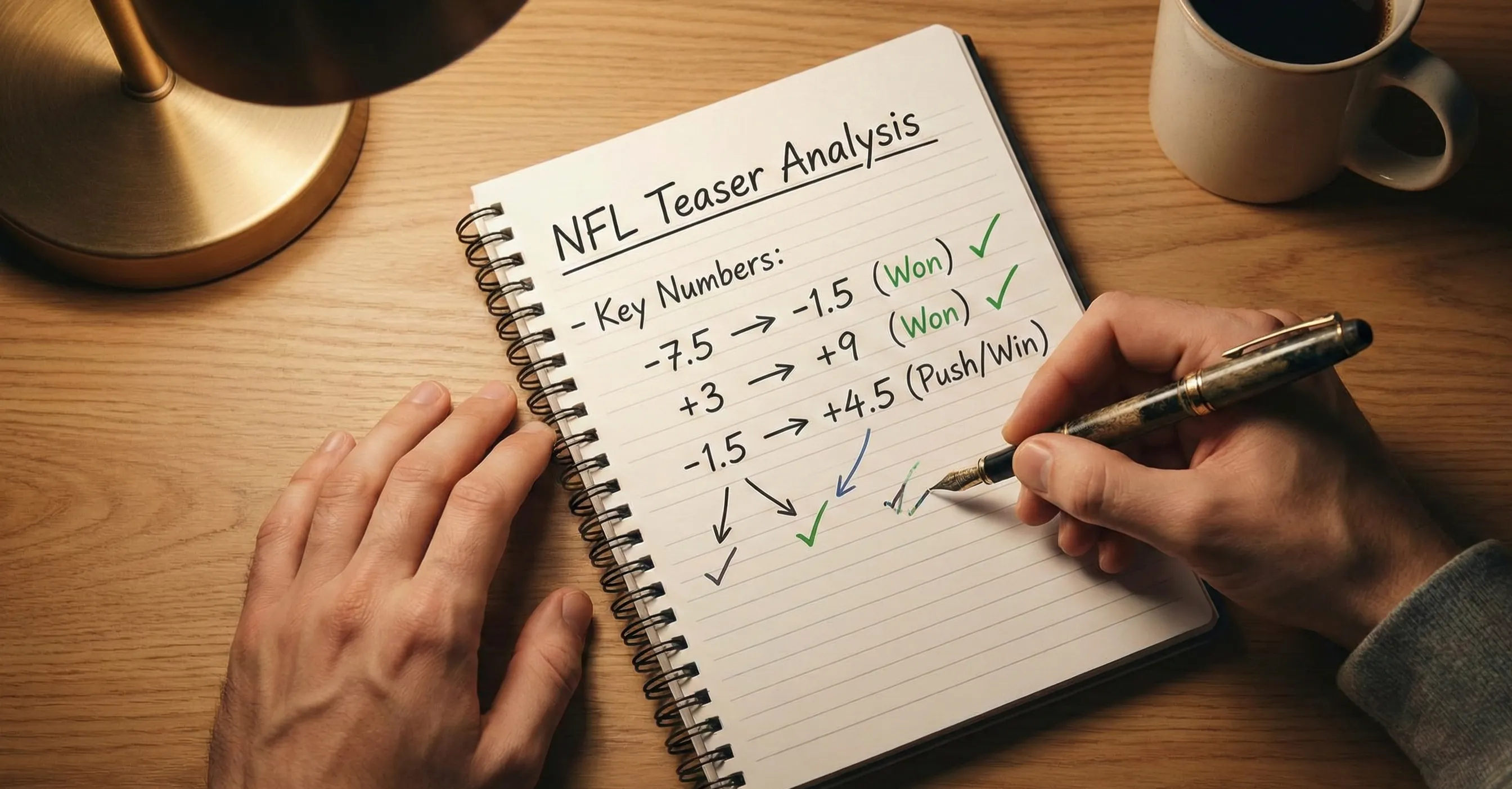
Ten-point teasers extend the basic strategy concept by providing even larger point adjustments but requiring three or more selections. Moving a -7.5 favorite to +2.5 or a +2.5 underdog to +12.5 captures an enormous range of outcomes, but the multi-leg requirement and reduced payouts create different mathematical dynamics.
These larger teasers can show positive expected value when applied to the right numbers, but the additional legs increase variance and require larger samples for edges to manifest. Sharp bettors disagree on whether ten-point teasers offer meaningful advantages over the simpler six-point version.
Totals teasers receive less attention than sides but can offer value in specific situations. Key totals numbers in football cluster around 41, 44, 47, and 51 points, though they’re hit less frequently than key spread numbers. Teasing through multiple key totals numbers can improve probability, but the mathematics rarely exceed what’s available on well-selected side teasers.
Some bettors combine teaser strategies with hedging or middling opportunities. If you hold a teaser with one leg remaining and the line has moved significantly, the potential to guarantee profit or middle for a double win creates additional strategic considerations beyond the original teaser thesis.
Building a Teaser Strategy
Successful teaser betting requires systematic discipline that most recreational bettors find boring. You’re not backing your favorite teams or acting on strong opinions about game outcomes. You’re mechanically identifying qualifying numbers and betting only when the mathematics support action.
Track your results separately from other bet types. Teasers have different variance profiles than straight bets, and their success depends on hitting specific win rates rather than finding value on individual games. A small sample showing 70% winners might look profitable but could indicate you’re below the required threshold.
Size teaser bets appropriately for your bankroll. Despite their higher individual win rates, teasers carry parlay-level variance since all legs must hit. A conservative approach using 1-2% of bankroll per teaser protects against the inevitable losing streaks while allowing edges to compound over time.
Accept that some weeks offer no plays. Wong teasers require specific number combinations that don’t appear every week. Betting for action undermines the strategy’s entire premise. The discipline to wait for qualifying opportunities separates profitable teaser bettors from the recreational masses feeding the sportsbook’s bottom line.
Teasers occupy a rare space in sports betting: a bet type where informed strategy can actually overcome the house edge. But this potential exists only when you understand the underlying mathematics, exercise patience in game selection, and resist the temptation to force action on non-qualifying numbers. Used correctly, teasers become a profitable tool. Used carelessly, they’re just another way to lose money while feeling clever about it.
See also parlay betting.
