

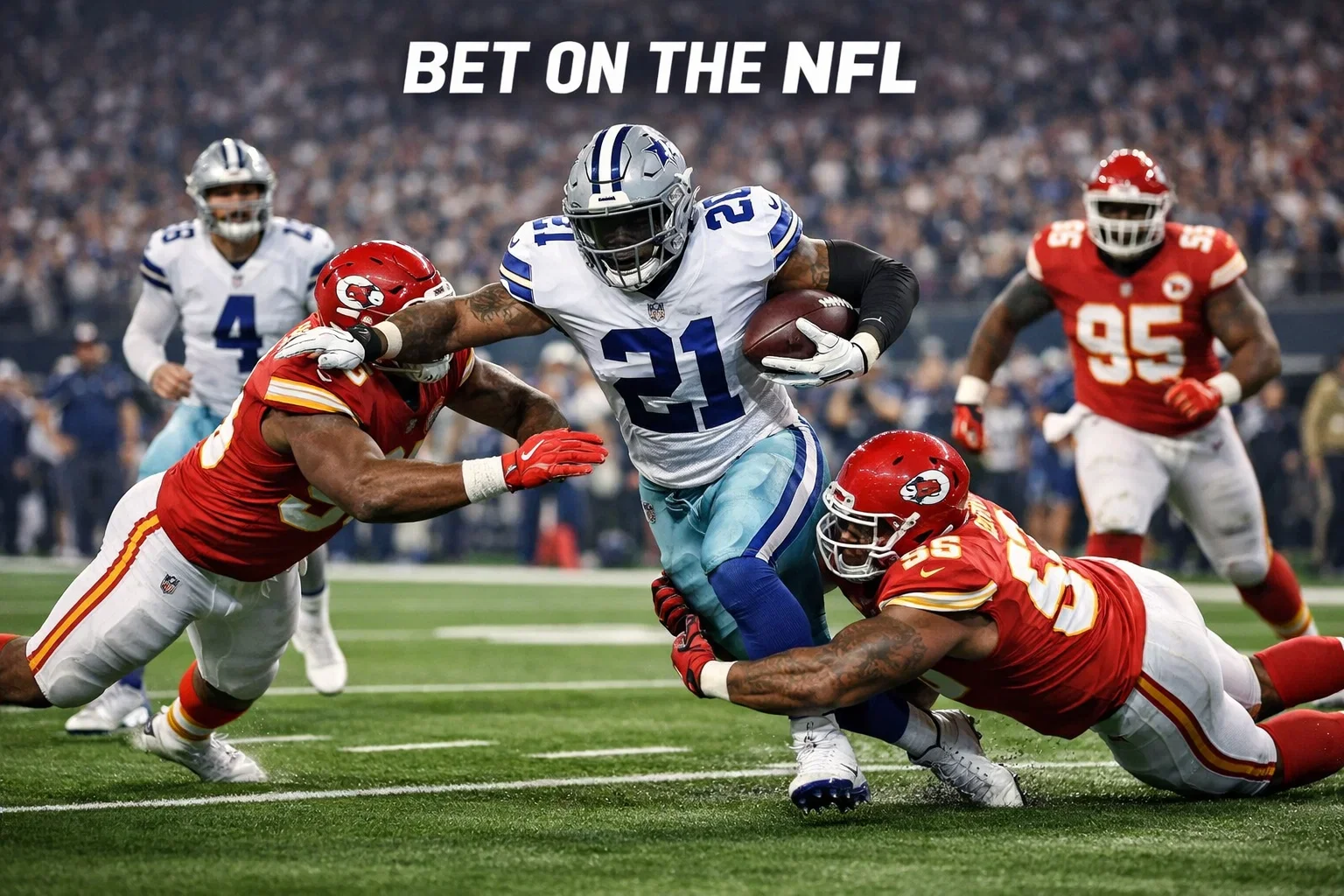
Professional football generates more betting handle than any other American sport, which means NFL betting lines are among the sharpest in existence. The notion that you’ll spot obvious mispricings that professional syndicates and algorithmic models have missed is, frankly, delusional. Yet profitable NFL betting remains possible for bettors who understand how the market works and where genuine edges still exist.
The difference between recreational NFL bettors and sharps isn’t primarily intelligence or dedication. It’s approach. Casual bettors handicap teams and then look at lines. Sharp bettors handicap lines and use team analysis only as context. This inversion of priorities explains why sharps consistently beat a market that swallows recreational money week after week.
NFL betting guide on brom bet.
Understanding Key Numbers
No concept matters more to NFL betting than key numbers. Football’s scoring structure creates predictable final margin distributions that shape every spread bet you’ll ever place. Ignoring key numbers guarantees leaving money on the table; understanding them properly provides genuine edge.
Three is the single most important number in NFL betting. Roughly 15% of all games end with exactly a three-point margin, more than any other single outcome. The difference between getting +3 and +2.5 on an underdog is enormous, representing several percentage points of additional probability. Never underestimate the value of a half-point around this number.
Seven follows as the second key number, with approximately 10% of games landing on this margin. Touchdown-plus-extra-point scoring makes seven a natural resting point for final margins. Like three, any movement around seven significantly affects your win probability.
Six, four, and ten matter as secondary key numbers, each appearing in roughly 5% of games. The combined weight of all key numbers means nearly half of NFL games finish on margins of 3, 4, 6, 7, 10, or 14 points. Sharp bettors obsess over positioning relative to these numbers while recreational bettors treat all half-points as equivalent.
The practical implication is straightforward: pay attention to whether you’re crossing key numbers when buying or selling points, and prioritize line shopping when spreads sit near these critical values. Getting +7 instead of +6.5 provides far more value than getting +9.5 instead of +9.
Situational Handicapping
Beyond the numbers themselves, NFL betting rewards attention to situational factors that casual bettors overlook. These circumstances influence game outcomes in ways that don’t always appear in power ratings or statistical models.
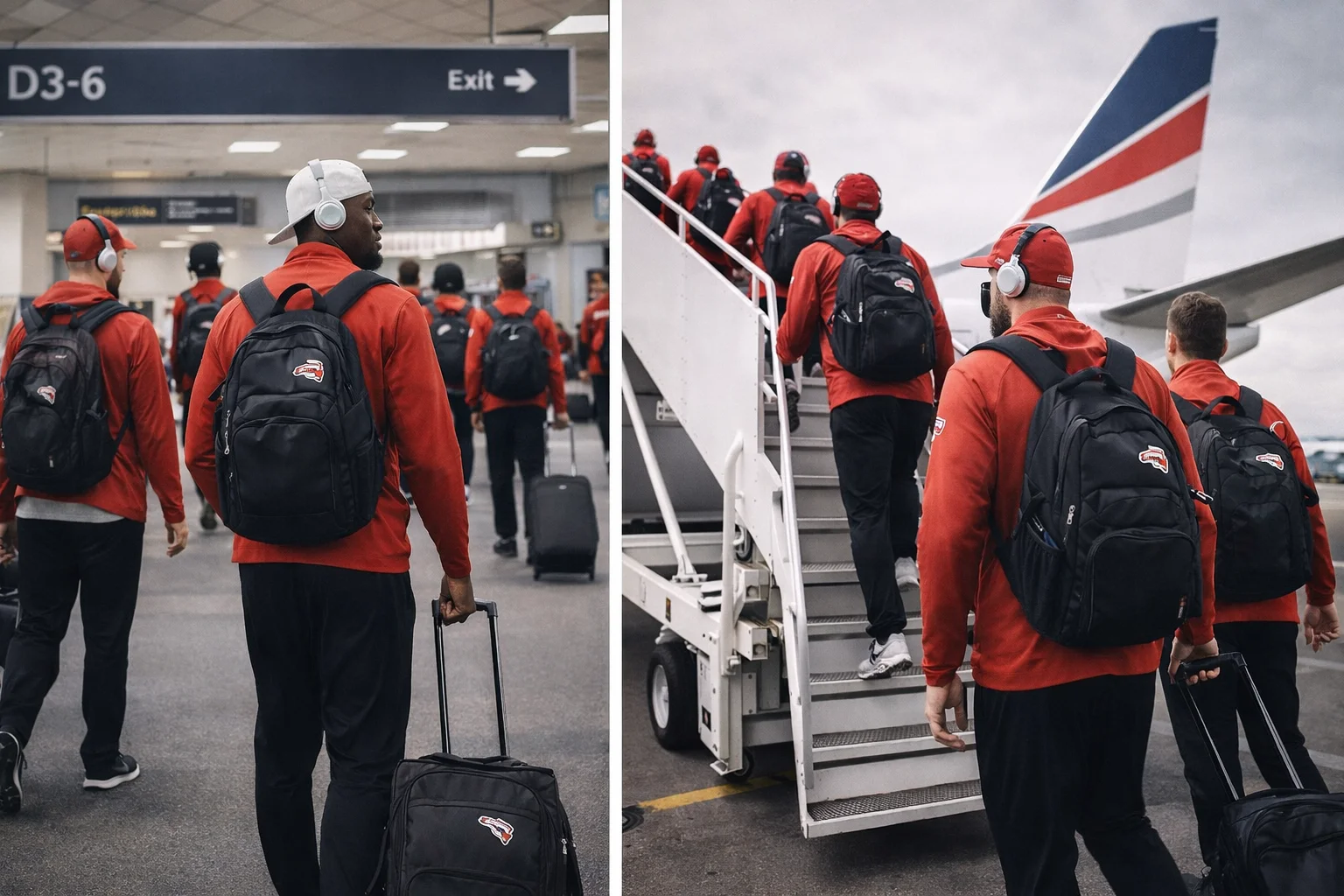
Scheduling analysis reveals hidden advantages. Teams playing on short rest after Monday Night Football face significant disadvantages, particularly when traveling. Teams with extended rest after Thursday games gain edges that the market sometimes underprices. Cross-country travel, especially west-to-east for early kickoffs, creates fatigue factors that affect performance.
Motivational situations matter more in football than most sports because the sample size is so small. A team eliminated from playoff contention in Week 15 might mail in their final games, while their opponent fights for seeding. Revenge games, divisional rivalries, and coaching history all create motivation differentials that statistical models can’t capture.
Lookahead spots appear when teams face a significant upcoming matchup that might distract preparation. A mediocre team hosting a contender the week before a crucial divisional game often receives less attention from the coaching staff than the schedule suggests. These situations create value on their opponents.
Letdown spots follow emotional victories. A team that just beat their biggest rival or secured a playoff berth might struggle to match that intensity the following week against a less meaningful opponent. The opposite, “get-right” games after embarrassing losses, can also present opportunities.
Totals Betting Strategy
NFL totals present different challenges and opportunities than spread betting. The market efficiency differs, the key numbers are less pronounced, and the analytical approach requires different inputs.
Weather impacts totals far more than spreads. Wind above 15 mph demonstrably reduces passing efficiency and scoring. Extreme cold affects ball handling and kicking. Rain creates turnovers and conservative play-calling. Sharp totals bettors monitor weather forecasts closely and bet accordingly when conditions favor one side.
Pace analysis helps project scoring environments. Some teams run plays quickly and create high-possession games; others milk clock and limit total possessions. When a fast team faces a slow team, the tempo battle significantly affects total outcomes. Projecting which team’s pace will dominate helps evaluate totals.
Defensive quality matters, but context matters more. A defense that ranks elite against the pass might be ordinary against the run. Matching offensive strengths against defensive weaknesses reveals expected scoring more accurately than aggregate rankings.
Public betting tends to favor overs, creating market shading that sometimes pushes value to unders. Bettors like scoring; watching a 13-10 game feels less exciting than a 42-38 thriller. Sportsbooks know this and price accordingly, occasionally creating systematic value on the under.
Player Prop Strategies
NFL player props represent a market less efficient than game lines, offering opportunities for bettors willing to do the work. Sportsbooks price props off median performance and basic matchup factors, leaving room for those who go deeper.
Rushing props require understanding game script. A team likely to build a big lead will run the ball heavily in the second half, boosting their running back’s yardage. A team expected to trail will abandon the run, capping their rusher’s upside. Projecting game flow matters as much as individual rushing ability.
Receiving props depend heavily on target share and matchup. A wide receiver facing a shutdown corner might see fewer opportunities regardless of his talent. A slot receiver whose team’s top target is injured could see dramatically increased volume. These contextual factors matter more than season averages.
Passing props correlate with game environment. A team expected to trail will throw more, boosting their quarterback’s attempts and yards but potentially increasing interceptions. A team controlling the game might generate fewer but more efficient passing stats. Understanding the expected game flow helps evaluate passing prop prices.
The juice on props typically exceeds game lines, often running -115 or worse. This elevated vig means you need larger edges to profit compared to spread or total betting. Factor this cost into your prop betting approach.
Sharp Betting Practices
Beyond specific markets, certain practices characterize sharp NFL betting and distinguish professionals from recreational players.
Line shopping is non-negotiable. Having accounts at multiple sportsbooks and always taking the best available number adds significant value over a season. The difference between -3 and -2.5 or between +145 and +135 compounds across hundreds of bets into substantial money.
Betting early captures value before lines sharpen. When sportsbooks first post lines, they’re most likely to contain errors. Sharp money attacks these opening prices, moving lines toward efficiency. If you have genuine edge on a game, bet early before the market corrects.
Alternatively, betting late captures final information. Injury updates, weather developments, and sharp action throughout the week all shape closing lines. Some bettors prefer waiting until they have maximum information before committing.
Tracking closing line value provides objective feedback on your edge. If your bets consistently beat the closing line (you got better prices than were available at kickoff), you’re likely a winning bettor. If lines move against your positions after you bet, you’re probably on the wrong side of market efficiency.
Flat betting with consistent unit sizes prevents emotional decision-making. Sharps don’t double down on “sure things” because they know no NFL bet is certain. Disciplined sizing across all bets produces more stable long-term results than variable sizing based on perceived confidence.
Common NFL Betting Mistakes

Recreational bettors consistently make errors that sharps avoid. Recognizing these patterns helps you avoid contributing to sportsbook profits.
Overvaluing recent performance is endemic. A team that won impressively last week isn’t necessarily underpriced this week; the market has already incorporated that information. Chasing hot teams and fading cold ones typically produces negative results because you’re buying high and selling low.
Ignoring backup quality destroys bankrolls when injuries occur. Most bettors know the impact of losing a starting quarterback but underestimate how much interior offensive line or defensive secondary injuries matter. Sharp bettors track depth charts and adjust their lines accordingly.
Betting too many games guarantees paying excessive juice. The NFL offers only 16 games per week in the regular season. You don’t need action on all of them, and forcing bets where you lack edge ensures losses. Sharp bettors are remarkably selective, sometimes betting only a handful of games weekly.
Failing to adjust for public perception is costly. Nationally televised games, popular teams, and media-hyped matchups often carry inflated lines on the popular side. Understanding where casual money flows helps identify potential value on contrarian positions.
See also college football betting.
The NFL betting market is tough but not impenetrable. Success requires respecting the market’s efficiency while seeking the specific spots where genuine edges persist. Key numbers, situational factors, weather, and disciplined execution all matter more than trying to outsmart professional oddsmakers through pure team analysis.
