


Live betting feels like discovering a cheat code. You’re watching the game, you see something the odds haven’t caught up with yet, and you jump on it before the market corrects. That split-second advantage where you know something the sportsbook’s algorithm doesn’t. It’s intoxicating, and that’s exactly the problem.
In-play betting creates more opportunities than pre-game wagering ever could, but it also creates exponentially more ways to lose money if you don’t know what you’re doing. The speed, the constant availability, the illusion of control because you’re watching everything unfold, all of this works in the sportsbook’s favor if you’re not disciplined.
This guide breaks down how live betting actually works on Brom Bet, what makes it different from pre-game wagering, how to read momentum and identify value in real-time, sport-specific strategies that actually work, when to use cash-out features versus letting bets ride, and the advanced techniques that sharp bettors use to exploit inefficient live markets.
If you’re going to bet live, and you probably should because the opportunities are real, you need to understand what you’re getting into beyond the surface-level excitement of in-game action.
Live betting guide on brom bet.
What Makes Live Betting Different

Pre-game betting is like chess. You have time to think, research, compare odds across multiple books, and make calculated decisions. Live betting is speed chess while someone’s shouting in your ear and the clock is running out. The fundamental activity is the same but the execution demands completely different skills.
The most obvious difference is speed. Odds update constantly, sometimes every few seconds during high-action moments. You see a line you like, you click to add it to your bet slip, and by the time you confirm the bet, the odds have shifted. Sometimes they improve in your favor, sometimes they move against you. This volatility creates opportunities and traps in equal measure.
Information asymmetry shifts dramatically once games start. Pre-game, everyone has access to the same injury reports, weather forecasts, and historical data. The sportsbook’s algorithm and sharp bettors have better models, but the information is public. Live, you’re watching the actual game while the algorithm is processing statistical feeds. For a few seconds or minutes, you might know something the line doesn’t reflect yet.
This advantage is smaller than it feels. Professional live traders watch the same games you do, often with better views, more screens, and faster internet connections. The sportsbook’s odds are already accounting for what’s happening on the field faster than you think. By the time you’ve recognized a momentum shift and decided to bet on it, sharps have already moved the market. You’re not as fast as you think you are.
The psychological dimension is completely different. Pre-game bets are fire-and-forget. You make your decision, place your wager, and wait for the outcome. Live bets are active. You’re watching every play, every possession, every pitch, emotionally invested in real-time. This creates the illusion of control and the temptation to make impulsive decisions based on small sample sizes.
Three straight incompletions don’t mean the quarterback suddenly forgot how to play. A striker missing an open goal doesn’t invalidate the team’s offensive dominance. Live betting punishes people who overreact to variance within the game. The market knows this and prices accordingly. Your gut reaction to one bad sequence is probably wrong, and even if it’s right, the odds have already adjusted.
Cash-out functionality exists almost exclusively in live betting. This feature lets you settle your bet before the event concludes, either locking in profit or cutting losses. It’s marketed as giving you control, and it does, but it comes with hidden costs. The cash-out price always includes a margin for the sportsbook. You’re paying for convenience and certainty.
The volume temptation is live betting’s biggest danger. Pre-game, you might find five games worth betting across an entire weekend. Live, there are always games happening, always new odds appearing, always another opportunity. This constant availability encourages overtrading, betting for action’s sake rather than genuine edge. Most live bettors would improve their results by betting half as often.
Understanding these differences helps you approach live betting strategically instead of reactively. If you’re just clicking buttons while watching games because it’s fun, you’re donating money to the sportsbook’s coffers. If you’re selectively finding spots where you genuinely have better information or assessment than the market, live betting becomes a powerful tool.
How Live Betting Works on Brom Bet
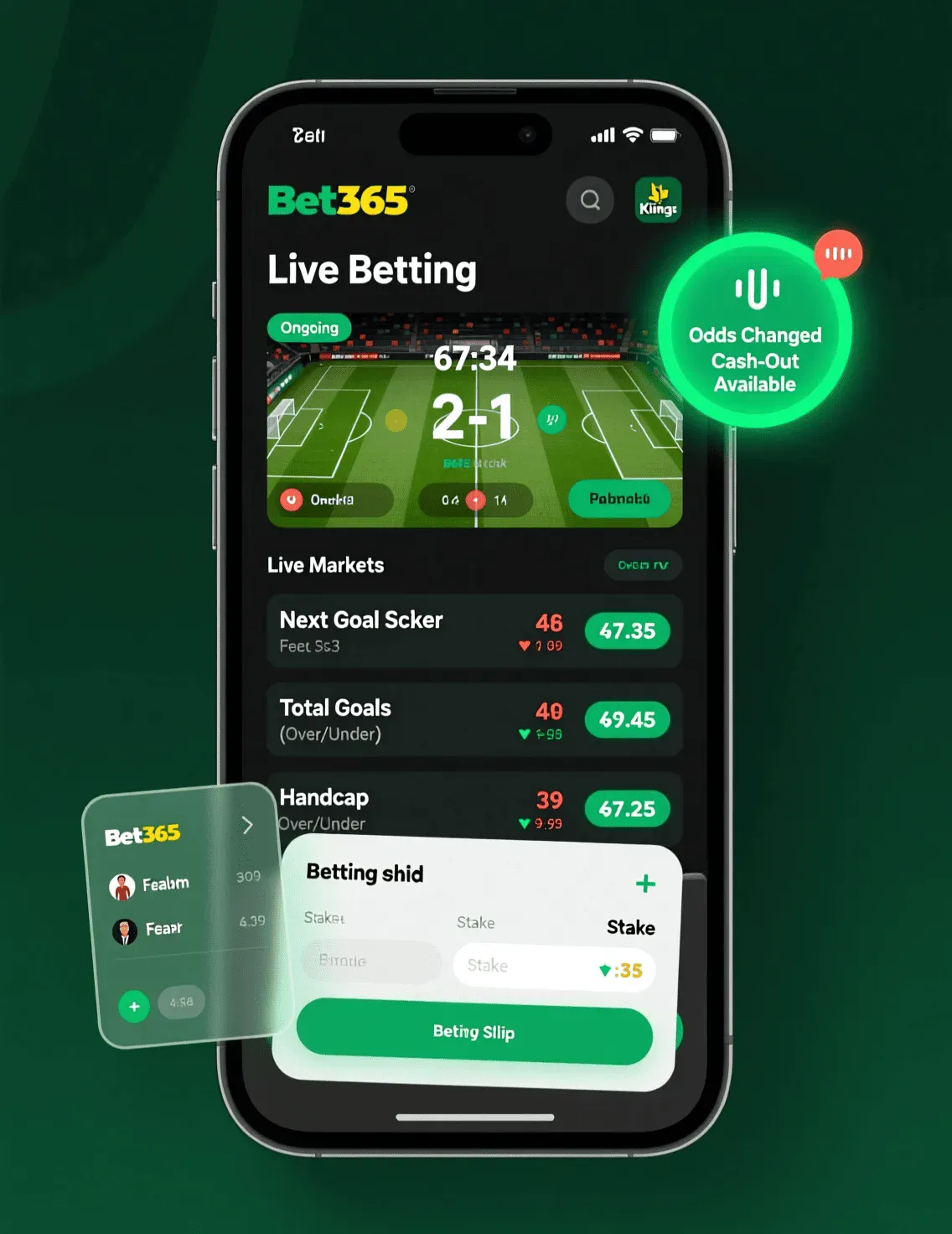
The live betting interface is designed for speed, which means it’s also designed to encourage rapid-fire decisions without much thought. Understanding the layout and mechanics helps you work efficiently while maintaining discipline.
Available games appear in a dedicated live betting section, separate from pre-game markets. Events are listed with current scores, time remaining, and the most popular betting markets front and center. Moneylines, spreads, and totals update continuously as the game progresses. Less popular markets might update more slowly or pause during key moments.
Clicking into any game reveals the full menu of available live markets. Mainstream sports offer dozens of options: next team to score, which quarter will have the most points, will there be a lead change, player-specific props. The variety is impressive and also overwhelming. Most of these markets exist to encourage action, not because they offer genuine value.
Odds movement in live betting is dramatic compared to pre-game. A touchdown changes a football spread by several points instantly. A three-pointer in basketball shifts the total and the spread. A goal in soccer completely reshapes the moneyline. These adjustments happen automatically based on algorithms processing game feeds and betting action.
The bet slip in live betting functions similarly to pre-game but with time sensitivity. Your selection includes the current score and game situation when you added it. If significant action happens between adding to your slip and confirming, you might get a notification that odds have changed. You can accept the new odds or cancel the bet.
Suspended markets are common during crucial moments. Right before a penalty kick, during a review for targeting, when a player is down injured, the sportsbook temporarily pulls betting options. This prevents exploitation of information gaps but also creates frustration when you’re trying to get a bet down during exciting moments.
Quick bet features let you place wagers with one click, bypassing the bet slip entirely. This is dangerous. The convenience encourages impulsive betting without proper consideration of stake sizing or value. Most successful live bettors disable quick bet to force themselves through the full decision process.
Streaming integration varies by jurisdiction and sport. Some games are available directly through the sportsbook interface, creating seamless transition between watching and betting. This integration is intentional, designed to increase engagement and wagering volume. The convenience is real but so is the temptation to overbet.
Multi-view options let you track several games simultaneously, switching between them or displaying multiple feeds at once. This is useful for monitoring multiple bets but also overwhelming. Information overload is real in live betting. Sometimes focusing on one game deeply is better than tracking five superficially.
The statistics panel provides real-time game data: possession percentages, shot attempts, momentum indicators. This information is helpful but remember the odds already incorporate most of these statistics. The algorithm processing this data is faster and more sophisticated than your mental math.
Alert systems notify you about significant events in games you’re tracking: goals scored, lead changes, injuries. These alerts are useful for timing market entry but also create urgency that might not be warranted. Not every alert demands action.
Understanding the platform mechanics is necessary but not sufficient. The interface is optimized for the sportsbook’s profit, not your success. Every feature that seems helpful also serves to increase betting volume. Use the tools that genuinely help your process and ignore the rest.
Reading Momentum and Identifying Value
Momentum is the most overrated and misunderstood concept in live betting. Commentators love talking about it, fans feel it viscerally, and bettors consistently overvalue it. Real momentum exists but it’s smaller and less predictive than intuition suggests.
Statistical momentum, where recent events predict near-future outcomes, is mostly an illusion. A team scoring three straight touchdowns doesn’t increase the probability of scoring a fourth beyond their baseline offensive efficiency. The defense might adjust, key players might tire, or simple regression to the mean occurs. Markets often overadjust to perceived momentum, creating value on the other side.
Situational momentum has more validity. A team down two scores late in the fourth quarter genuinely plays differently, taking more risks, abandoning the run game, becoming more predictable. A soccer team protecting a lead in the 85th minute demonstrably plays more defensively. These aren’t mystical momentum forces, they’re strategic adjustments that create predictable patterns.
The key is distinguishing between variance and genuine change. A basketball team missing five straight threes might just be experiencing normal shooting variance. But if their point guard is limping and can’t drive to create open looks, that’s a real change affecting future probability. Most bettors can’t tell the difference in real-time.
Value identification in live betting requires baseline probability assessment. You need to know what normal looks like to recognize when odds have shifted too far. If a football team typically scores on thirty percent of red zone trips, and they’ve failed twice already, the market might overreact and give you value on them scoring next time.
Line shopping becomes more important in live betting because odds diverge more dramatically across books. While pre-game lines converge through arbitrage, live lines can vary significantly for seconds or minutes. Having accounts at multiple sportsbooks and comparing odds quickly can find several points of value.
The challenge is execution speed. By the time you recognize value, check other books, and place your bet, the opportunity might have vanished. This is why preparation matters. Knowing your baseline assessments, having your accounts ready, and practicing quick decision-making all improve execution.
Injuries create the most obvious value opportunities. The market has to guess at impact immediately, often overreacting initially then correcting. A star player leaving doesn’t automatically doom a team if they have capable backups and good coaching. The key is assessing actual impact versus market perception.
Weather changes during outdoor games create similar dynamics. Rain starting mid-game affects different teams differently. A passing team suffers more than a running team. Markets adjust to weather but often use generic impacts rather than team-specific ones. This creates edges if you understand how specific teams handle specific conditions.
Referee tendencies matter more in live betting than pre-game because you can observe their actual calls. A referee calling a tight game early might loosen up later or vice versa. The market adjusts slowly to referee patterns, creating windows for informed bets.
Time decay affects different bets differently. Unders become more likely as games progress and fewer possessions remain. Favorites covering large spreads becomes harder as underdogs can intentionally slow pace. Understanding how probability changes with time remaining helps identify when odds haven’t adjusted properly.
The most important skill is patience. Most moments in most games don’t offer value. The market is efficient enough that genuine edges are rare. Forcing bets because you’re watching and want action is the fastest way to lose money. Wait for situations where you have genuine conviction based on solid reasoning, not emotional reaction to recent events.
Sport-Specific Live Strategies
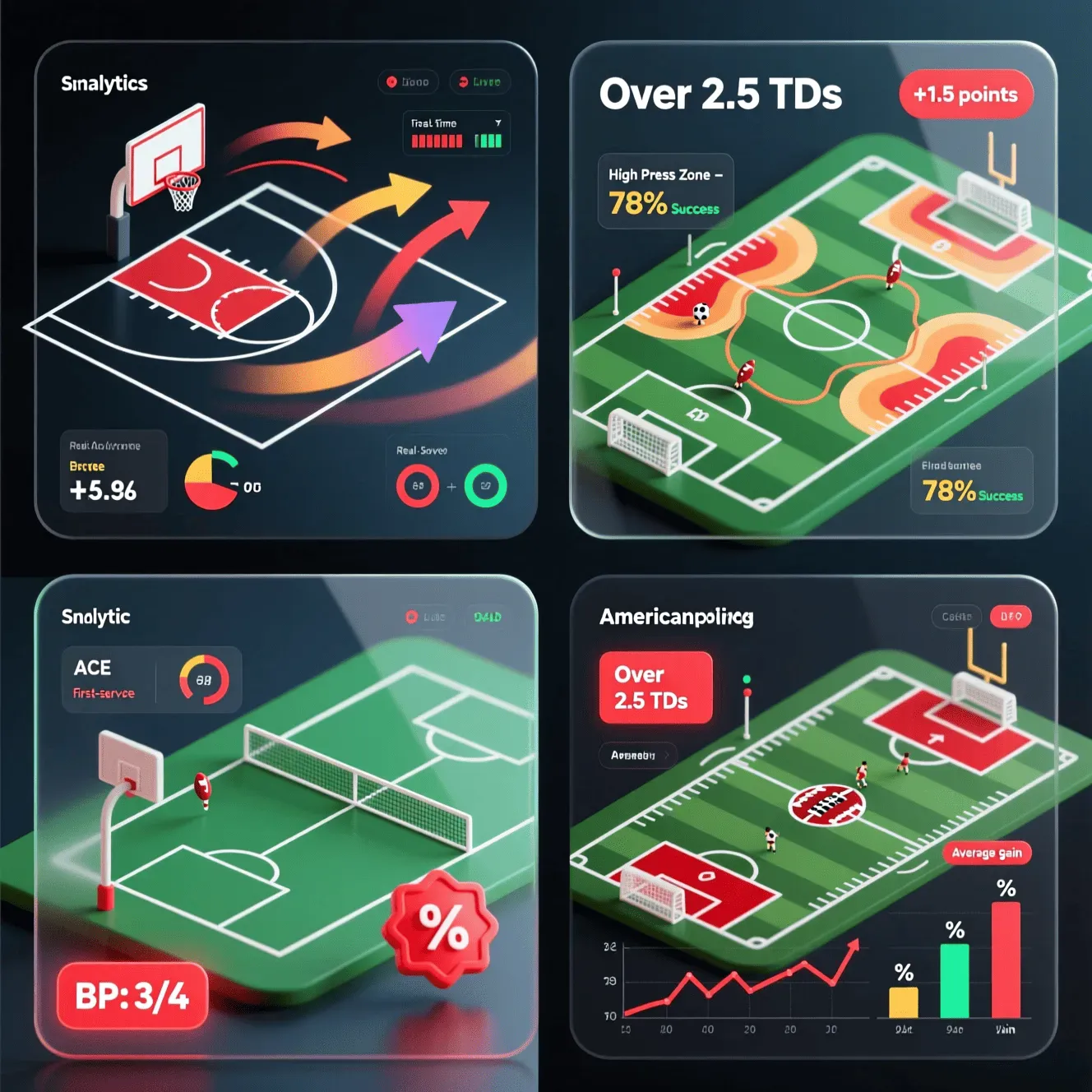
Different sports create different live betting opportunities. Game flow, scoring patterns, and strategic considerations vary enough that techniques that work in one sport fail in others. Understanding sport-specific dynamics is essential.
Football’s possession-based structure creates clear betting windows. Each drive is a discrete event with measurable outcomes. Red zone efficiency, third-down conversion rates, and time of possession all create patterns you can exploit. The stop-and-start nature also gives you time to analyze and make decisions without the frantic pace of continuous-action sports.
Live unders in football often offer value late in halves when teams get conservative. Coaches become risk-averse approaching halftime or game end, especially with leads. The market knows this but often doesn’t adjust enough. A total of 24.5 points in a half where teams have combined for 17 through 12 minutes might seem reasonable, but if both coaches are playing conservatively, the under has value.
Basketball’s pace and scoring variance create constant opportunities and traps. Runs are normal, ten-point swings happen quickly, and the market overreacts to both. The key is understanding that NBA teams score roughly 1.1 points per possession regardless of recent performance. Short-term variance doesn’t change underlying efficiency much.
Live player props in basketball offer edges because individual performance varies more than team performance. A player might take only two shots in the first quarter but still be on pace for their normal usage. The market sees low early production and adjusts lines down, creating value if you believe in regression to normal usage rates.
Soccer’s low-scoring nature makes every goal monumentally important for odds. One goal completely reshapes all markets: match result, total goals, both teams to score. This creates opportunities when you correctly assess whether a goal changes the game’s fundamental dynamics or just the score.
Late goals in soccer have predictable impacts. A team down 1-0 after 70 minutes becomes increasingly desperate, pushing forward and leaving themselves vulnerable to counters. The market prices in increased scoring probability, but sometimes not enough. Matches that seem destined for 1-0 can quickly become 3-0 when the trailing team abandons defensive shape.
Tennis’s individual nature and serving patterns create unique dynamics. Break points are obviously important, but the market sometimes overvalues them. A player failing to convert multiple break points might seem to be losing momentum, but if they’re dominating service games, they’re still in control. Serving patterns matter more than break point conversion.
Live betting tennis requires understanding player-specific patterns. Some players consistently elevate in tiebreaks, others fold under pressure. Some dominate after winning the first set, others let up. These patterns are real and persistent, but the market doesn’t always price them accurately, especially in smaller tournaments.
Baseball’s pitcher-centric nature makes starter performance the key variable. A pitcher’s velocity, command, and pitch mix tell you more than early results. A starter giving up two runs on bloop singles with good velocity and movement might actually be pitching well. The market sees the runs, you see the process.
Bullpen usage in baseball creates late-game edges. Managers’ tendencies are knowable: who uses their closer in tie games on the road, who refuses to use their best reliever three days straight, who leaves starters in too long. The market adjusts to bullpen changes but doesn’t fully incorporate manager tendencies.
Each sport has dozens of these patterns. The examples above barely scratch the surface. The point isn’t to memorize every possible angle but to understand that sport-specific knowledge creates edges. General betting principles matter, but the bettor who deeply understands one sport beats the generalist who bets everything.
When to Cash Out vs Let It Ride
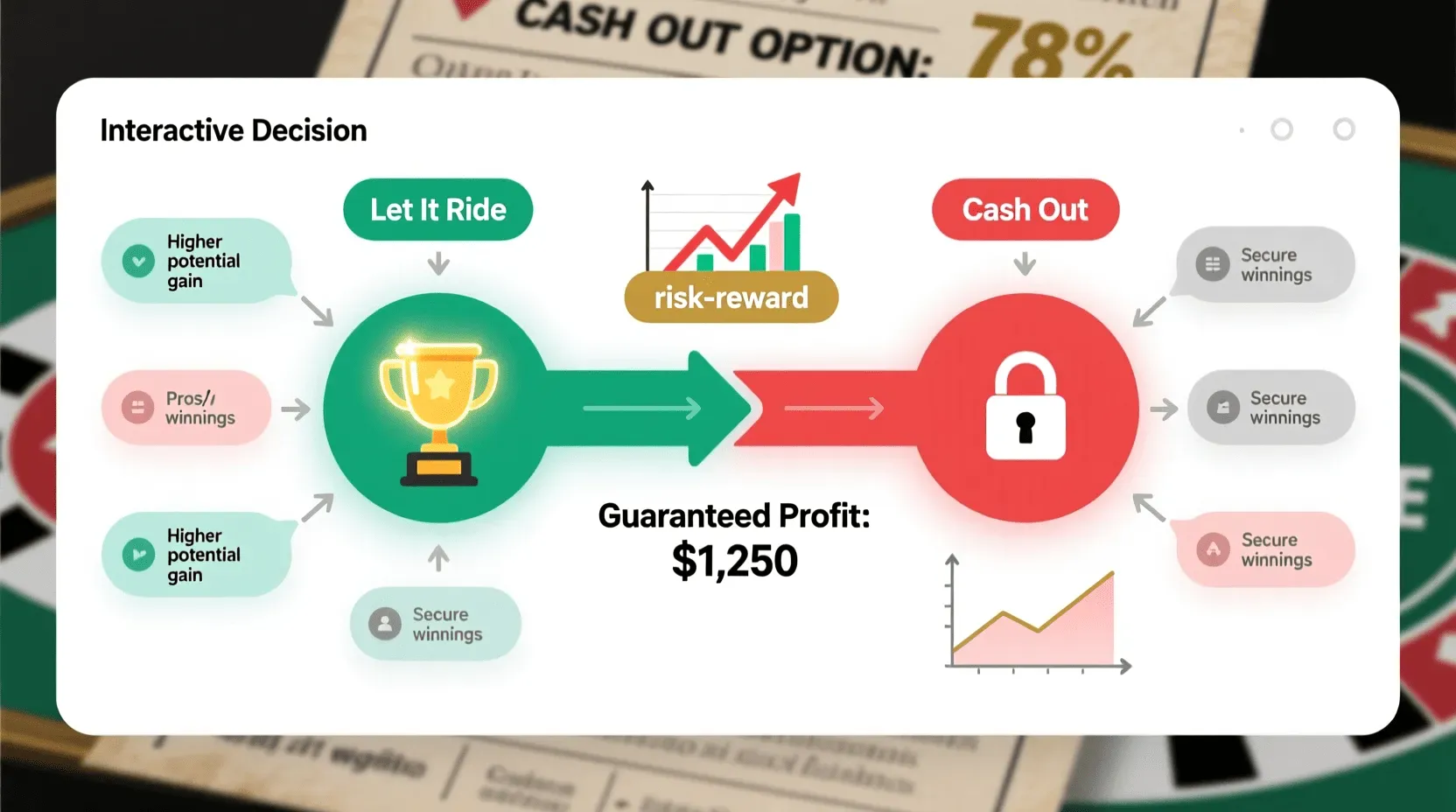
Cash-out is the most psychologically satisfying and mathematically disadvantageous feature in sports betting. It feels like control, like smart bankroll management, like taking the sure thing over gambling. It’s usually wrong, and understanding why helps you use it properly in the rare situations where it makes sense.
The fundamental problem with cash-out is the margin. Sportsbooks don’t offer cash-out at fair value. They build in profit margin, typically 5-10 percent below true probability. If your bet has a sixty percent chance of winning, they might offer cash-out value implying fifty-five percent. You’re paying for certainty.
This margin compounds if you cash out frequently. A bettor who cashes out half their bets is giving up 2.5-5 percent of expected value across their entire betting volume. That’s enormous. Most bettors don’t have edges that large to begin with. The cash-out margin alone can turn a winning bettor into a loser.
The psychological appeal is obvious. You’re winning, you want to lock it in, you don’t want to experience the pain of watching a winning bet turn into a loss. Loss aversion is powerful. The pain of losing money you thought you had is roughly twice as intense as the pleasure of winning the same amount. Cash-out eliminates this pain.
But pain avoidance isn’t profitable. If you made a good bet initially, and nothing has fundamentally changed beyond normal game variance, letting it ride is correct. Your team leading by ten points in the third quarter doesn’t make your bet wrong if they lose. Individual results don’t matter, only whether your process produces positive expected value over time.
When cash-out makes sense is in specific situations where convenience outweighs the cost. You’re at the game without great mobile service, unable to place a hedge bet reliably. You need the money immediately for some reason. You’re emotionally tilting and the cash-out removes temptation to make worse decisions. These are edge cases, not standard operating procedure.
The temptation to cash out winning bets prematurely is enormous. You’re up, you want to lock it in, you don’t trust your bet to hold. This impulse is usually wrong. If the bet was good when you placed it, and nothing has fundamentally changed, letting it ride is correct. You’re giving up expected value to reduce variance, which might feel good but costs money long-term.
Cashing out losing bets to cut losses makes more sense in theory, but most bettors do this badly too. They cash out when they’re down big and the damage is already done. Cutting a losing bet at negative twenty percent is just locking in a bad result. The time to cash out losers is when the game situation has changed in a way that makes the original bet wrong, not when you’re just losing.
Partial cash-out is a feature some platforms offer, letting you settle half your bet while leaving the rest active. This splits the difference between taking profit and letting it ride. It’s a compromise that satisfies the emotional desire for certainty while maintaining some upside. Whether it’s smart depends entirely on whether your original bet remains +EV at current odds.
The psychological satisfaction of cashing out successfully creates negative reinforcement. You cash out a bet at eighty percent profit, it feels great, then you watch the bet lose in the final minutes and you feel like a genius. This validates cash-out strategy in your mind even though you got lucky. The times you cash out and the bet would have won don’t generate the same emotional impact.
Sharp bettors rarely use cash-out because they have the bankroll and discipline to ride variance. They trust their process, they know individual results don’t matter, they understand that repeatedly taking worse prices through cash-out destroys long-term profit. Recreational bettors use cash-out constantly because it makes betting feel less stressful, which is fine if entertainment is the goal.
If you’re going to use cash-out, at least do it strategically. Don’t cash out reflexively just because you’re winning. Don’t cash out losing bets in panic. Use it when game conditions have genuinely changed your assessment or when you identify a legitimate hedging opportunity. Most importantly, track your cash-out decisions and see whether they actually improve your results or just make you feel better.
Advanced Live Betting Techniques

Once you understand basic live betting mechanics and develop sport-specific pattern recognition, advanced techniques open up additional edges. These aren’t magic bullets, they’re strategic approaches that work in specific situations.
Middling opportunities appear when the live line crosses your pre-game bet, creating a window where you can win both bets. You bet the favorite at minus-three pre-game, they jump out to a lead and the live line moves to plus-three. Betting the underdog now means if the favorite wins by exactly three, both bets push. If the favorite wins by more, your pre-game bet wins. If the underdog covers, your live bet wins. You can’t lose and you might win both.
True middles are rare because sportsbooks adjust lines carefully to prevent this. But near-middles are common, situations where you’re guaranteed a small profit and might win both bets. These opportunities repay attention to line movement and quick execution.
Arbitrage in live markets exists because different sportsbooks update odds at different speeds. One book might be slow adjusting to a score change, creating seconds where their line is out of sync with the market. If you have accounts at multiple books and fast execution, you can occasionally bet both sides at profitable odds. This is difficult to do consistently but worth watching for.
The difficulty is that live odds change so fast that by the time you place one side and switch books to place the other, the opportunity has evaporated. You need multiple devices or very fast execution. Most bettors aren’t set up for this, which is fine. It’s a marginal edge even when you can capture it.
Scalping strategies involve taking small profits repeatedly rather than swinging for big wins. In live betting, this might mean betting slight favorites and then cashing out or hedging for small guaranteed profit when they extend their lead. The edge on each bet is tiny but the volume of opportunities is high.
Scalping requires significant time investment, fast execution, and tolerance for winning many small bets rather than few large ones. It’s also vulnerable to the cash-out margin eating into profits. Most people dabble in scalping, find it tedious, and revert to more standard approaches.
Using live stats and data goes beyond watching the game. Serious live bettors have multiple screens: game feed, live statistics, odds comparison across books, maybe Twitter for breaking news. This information advantage is small but real. You see a pitcher’s velocity dropping before most bettors notice, creating value on the opposing team.
The investment required for this setup is substantial and probably not worth it unless you’re betting significant amounts. But the principle applies even with basic setups: more information, processed quickly, creates edges in fast-moving live markets.
Contrarian live betting means fading public overreactions. When a star player goes down injured, public money hammers the other side immediately, sometimes creating value. The market has already adjusted to the injury, maybe overadjusted, and now the original team is undervalued. This requires confidence in your assessment and willingness to bet against obvious narratives.
The key to all advanced techniques is execution discipline. Having an edge theoretically doesn’t help if you can’t execute consistently without mistakes. Live betting is already fast and demanding. Adding complexity only works if you’ve mastered the fundamentals first.
Live betting is not a shortcut to easy money. It’s a different game requiring different skills, played at higher speeds with more opportunities to make mistakes. The platform design encourages action, the constant availability creates temptation, and the emotional investment from watching games live makes discipline harder.
But the opportunities are real. Live markets are less efficient than pre-game markets because they update so rapidly and incorporate so much information so quickly. Small edges exist if you know where to look and can execute without succumbing to impulsive decisions.
The most important skill in live betting isn’t reading games or timing bets. It’s restraint. Knowing when not to bet because the current price doesn’t offer value, even though the game is exciting and you want action. The best live bettors watch far more than they bet, waiting for situations where they genuinely have better information or assessment than the market.
If you’re going to live bet, start small and selective. Watch patterns emerge before trusting large money to them. Track results separately from pre-game betting to see if you’re actually profitable or just experiencing variance. And remember that no live bet is mandatory. The game will be just as enjoyable to watch without money on it, maybe more enjoyable because you’re not stressed about every possession.
Live betting amplifies both skill and mistakes. If you approach it strategically, it’s a powerful tool. If you approach it emotionally, it’s an expensive entertainment subscription. Choose wisely.
See also live betting strategies.
