

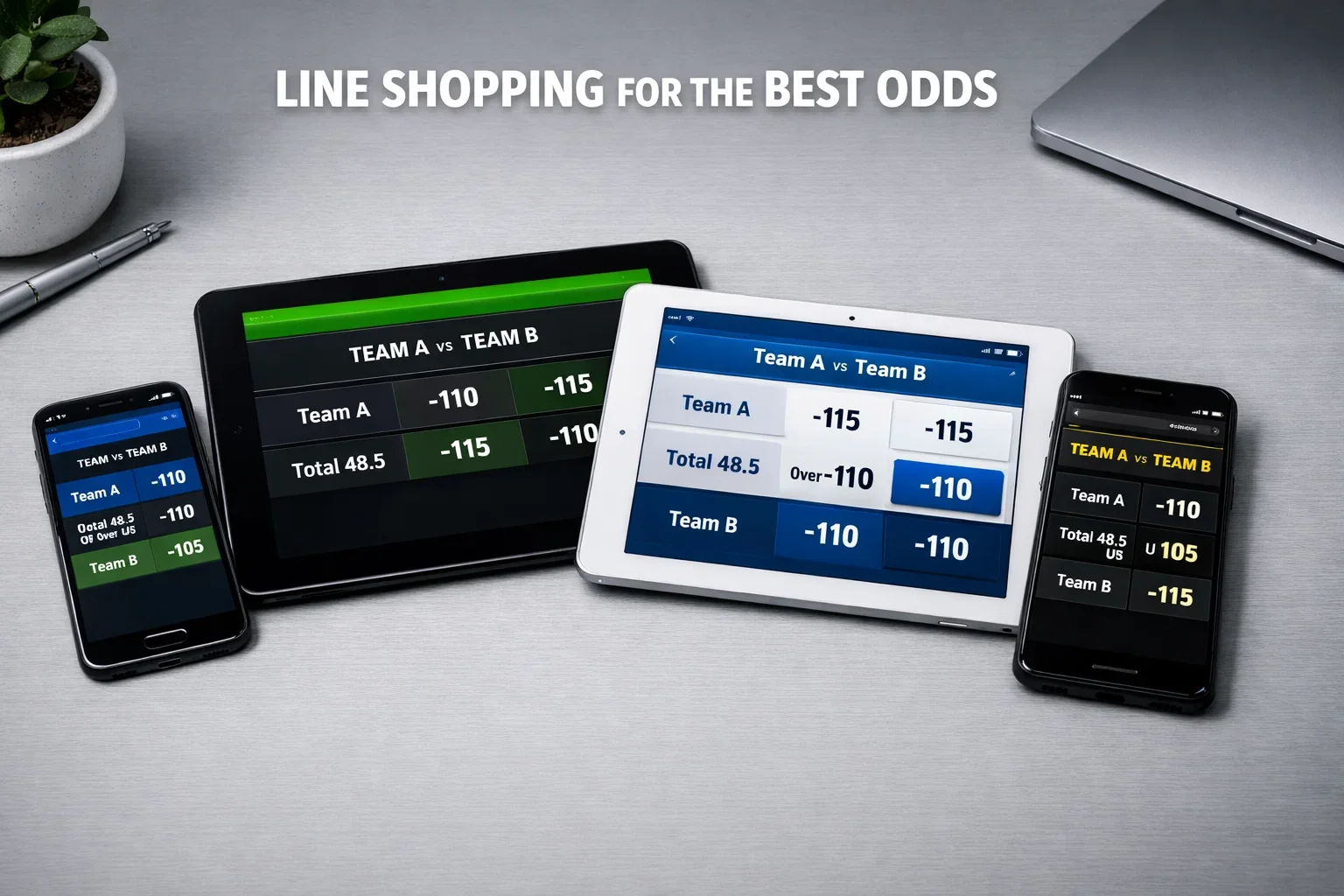
If you’re placing bets at a single sportsbook without checking prices elsewhere, you’re leaving money on the table with every wager. Line shopping, the practice of comparing odds across multiple sportsbooks before betting, represents the easiest and most reliable way to improve your long-term betting results. It requires no handicapping skill, no complex analysis, and no insider information. You simply look at the same bet at different books and take the best available price.
The impact seems small on individual bets but compounds dramatically over time. Getting +100 instead of -105 on a single wager adds modest value. Getting better prices across hundreds or thousands of bets transforms marginal situations into profitable ones and amplifies edges you already have. Professional bettors consider line shopping non-negotiable precisely because they understand how much these differences matter.
Line shopping guide on brom bet.
Why Line Shopping Matters
Sportsbook odds vary because different books have different customer bases, risk tolerances, and pricing philosophies. Sharp books like Pinnacle post tight lines with low juice and let professional action shape their numbers. Recreational-focused books post wider spreads between sides and often shade lines toward public tendencies.
These differences create regular opportunities to find better prices. On any given Sunday in football season, the same game might be -3 (-110) at one book, -2.5 (-115) at another, and -3 (-105) at a third. The bettor shopping these lines gets meaningfully different expected value depending on where they place their wager.
Half-point differences in point spreads matter enormously in football where key numbers like 3 and 7 determine so many final margins. Getting +3.5 instead of +3 on an NFL underdog adds several percentage points of probability. Over a season of betting, these accumulated differences translate to hundreds or thousands of dollars for active bettors.
Even on bets without point spreads, juice differences impact profitability. The difference between -110 and -105 on a moneyline reduces your break-even win percentage from 52.4% to 51.2%. That 1.2% sounds trivial but represents significant edge when accumulated across many bets.
Setting Up for Effective Line Shopping
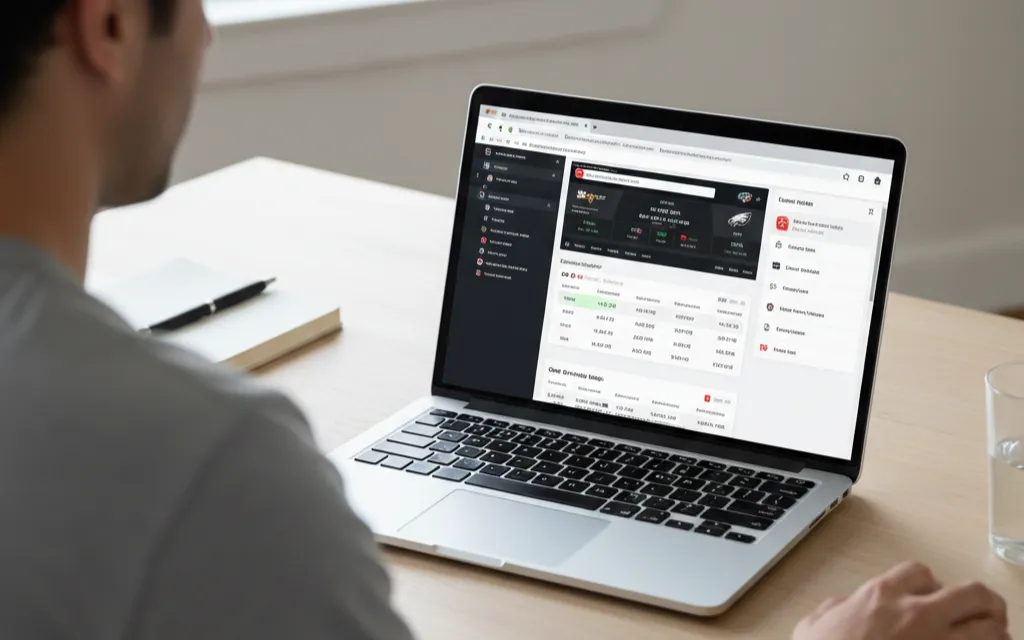
Effective line shopping requires accounts at multiple sportsbooks. The more accounts you have, the more likely you are to find the best available price on any given bet. Serious bettors maintain active accounts at five to ten or more books depending on their location and betting volume.
Funding multiple accounts creates logistical challenges. You need sufficient capital spread across books to bet where the best lines appear, which might not be where your largest balance sits. Some bettors address this through frequent deposits and withdrawals, while others maintain minimum balances everywhere and larger reserves at their most-used books.
Geographic limitations affect account availability. Legal US sportsbooks vary by state, and offshore options carry their own considerations around legality and reliability. International bettors often have access to more books, making line shopping easier for them than US-based customers.
Odds comparison tools streamline the shopping process. Websites and apps aggregate odds across multiple sportsbooks, displaying them side by side for easy comparison. These tools save enormous time versus manually checking each book individually and help you quickly identify where value exists.
When to Shop Lines
Shop every bet, no exceptions. Even when you’re confident one book will have the best price, check others. Assumptions about which book offers best odds are often wrong, and the few seconds spent checking can identify unexpected value.
Timing affects available prices significantly. Lines move throughout the week as information emerges and betting action shapes market consensus. Early-week lines often differ most dramatically across books; by game time, prices typically converge as arbitrage and sharp action align markets.
Sharp books usually post lines first and move first when significant information emerges. Recreational books often lag, creating temporary windows where their prices haven’t adjusted to reflect market consensus. Recognizing this pattern helps you know where to look first and where opportunities might exist.
Major announcements like injury reports create rapid line movement that affects books at different speeds. Having multiple accounts ready allows you to bet quickly when you spot value before lines adjust universally.
See also line movement.
Executing Line Shopping Efficiently
Develop a systematic approach rather than haphazard checking. Start with the books you know typically offer best prices in specific situations, then verify against others. Over time, you’ll learn which books shade which directions and where to look first for different bet types.
Track which books gave you best prices over time. This data helps optimize your shopping routine and identifies books worth prioritizing. If one book consistently offers best prices on NFL spreads but poor prices on NBA totals, adjust your routine accordingly.
Act quickly when you find significant price discrepancies. Better prices attract sharp money that will move lines toward market consensus. The edge you identified at 9 AM might not exist by noon.
Consider the trade-off between best price and betting limits. Some books offer great prices but limit winning bettors to small wagers. A slightly worse price at a book where you can bet your full desired amount might produce better expected value than a great price you can only partially exploit.
Line Shopping for Different Bet Types
Point spreads and totals show the most consistent line variation across books. The half-point differences common in these markets create substantial probability differences, making them high-priority shopping targets. Football and basketball spreads deserve particular attention given key number dynamics.
Moneylines vary more dramatically than spreads, especially on underdogs. Books balance their exposure differently, and heavy public action on favorites can create significant plus-money differences on the opposite side. Shopping moneylines often reveals 10 to 20 cent differences that dramatically impact expected value.
Player props exhibit wide variation because books price these less efficiently than game lines. The same player over/under might vary by a full point across books, with correspondingly different juice. If you’re betting props seriously, shopping is essential.
Futures markets show enormous price variation given their low liquidity and long duration. The same team might be +1200 at one book and +900 at another for a championship bet. Always shop futures extensively before committing capital that will be tied up for months.
Calculating the Impact of Better Prices
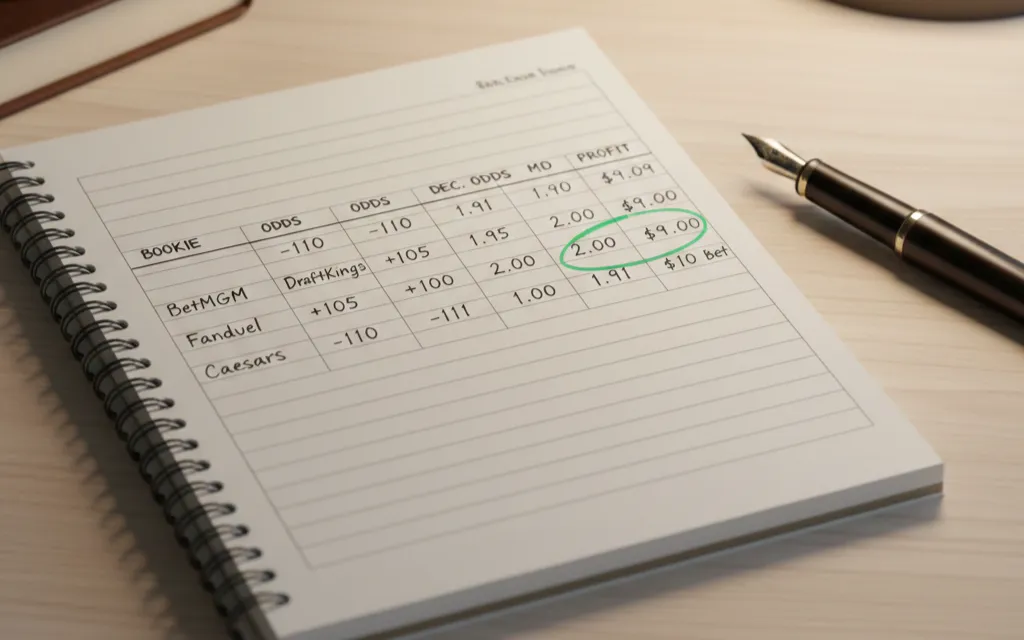
Quantify the value of line shopping to reinforce the habit. If you bet $100 on a spread at -110 instead of -115, you save approximately $2.27 in expected value. That seems small until you multiply it across your betting volume.
At 500 bets per year averaging five cents better juice per bet, you’d save roughly $227 in expected value. At 1,000 bets with ten-cent average improvements, savings approach $1,000. These figures represent pure profit improvement from activity that takes seconds per bet.
Better point spreads add even more value. Getting +3.5 instead of +3 in football adds roughly 6% to your cover probability. On $100 bets, that’s $6 of expected value per bet where you capture this half point. Even if you find this advantage only 20% of the time, it adds up substantially.
The compound effect matters too. Money saved through better lines stays in your bankroll, generating future betting capacity. Over years of betting, line shopping contributes to bankroll growth far beyond the direct savings on individual bets.
Managing Multiple Sportsbook Accounts
Keep accurate records of balances, pending bets, and recent transactions across all accounts. Losing track of money spread across eight sportsbooks leads to poor decision-making and potential financial confusion.
Understand each book’s deposit and withdrawal procedures. Some offer instant deposits but slow withdrawals; others have fees for certain payment methods. Planning around these logistics ensures you have funds available where you need them when opportunities arise.
Watch for promotional differences that affect line value. One book might boost a side you were already planning to bet, creating additional value beyond the base line. Another might offer insurance or profit boosts that effectively improve the odds on certain bet types.
Maintain activity at books where you want to preserve betting privileges. Some sportsbooks limit or ban bettors who only appear for obviously advantageous lines. Occasional recreational-looking action can help maintain access for when you need it.
Line Shopping and Betting Strategy Integration
Line shopping enhances every other betting strategy you employ. If you have edges from handicapping or modeling, better prices amplify those edges. If you’re a breakeven bettor, line shopping might push you into profitability. If you’re a losing bettor, it reduces your losses and extends your bankroll.
The combination of line shopping and value betting creates powerful synergies. Finding value means identifying situations where your assessed probability exceeds implied probability. Better prices push that implied probability lower, making more situations valuable and increasing edge on already-valuable bets.
Professional betting operations consider line access a core competitive advantage. Having relationships with many books, maintaining pristine account standing, and securing higher limits all stem from recognizing that where you bet matters as much as what you bet.
Line shopping represents the rare betting improvement that’s both easy and impactful. It requires only the discipline to check multiple prices before betting and the infrastructure of accounts at multiple books. That modest investment of time and effort yields returns that accumulate throughout your betting career. There’s simply no good reason not to do it, which makes the bettors who don’t essentially volunteer to pay more for the same product their more diligent peers buy at discount.
