

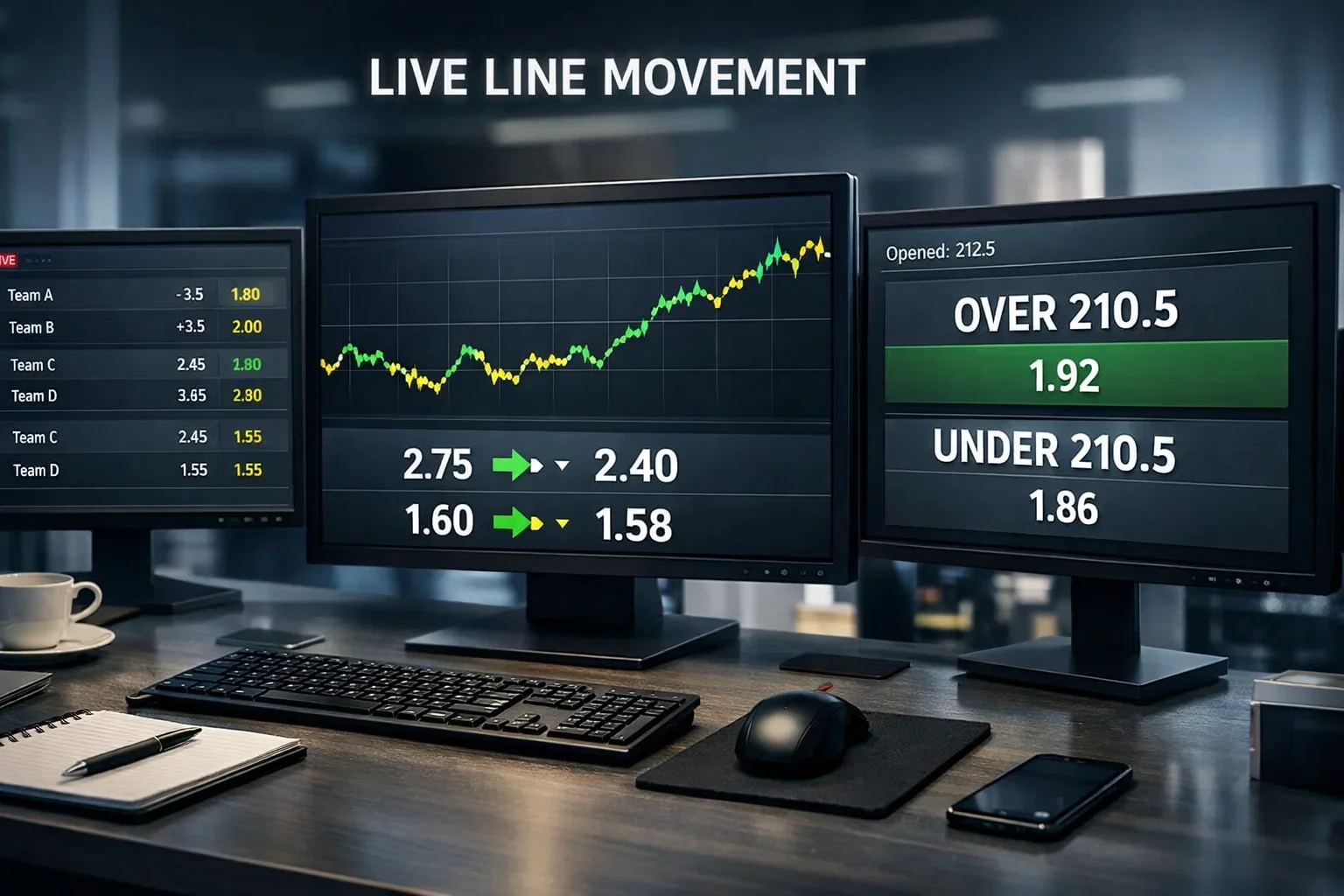
Betting lines don’t exist in a vacuum. From the moment a sportsbook posts an opening number until the game kicks off, lines shift, drift, and occasionally lurch dramatically in response to market forces. Understanding why these movements happen and what they signal separates sophisticated bettors from those merely reacting to numbers on a screen without comprehension.
The line movement ecosystem involves multiple actors with different motivations: sharp bettors seeking value, recreational bettors following emotions and narratives, sportsbooks managing risk, and information flows that affect true probabilities. Reading line movement means understanding how these forces interact to shape the prices you see. It’s not quite a crystal ball, but it provides genuine insight into where informed money believes value exists.
Understanding line movement on brom bet.
Why Lines Move
Sportsbooks adjust lines primarily to balance their exposure across both sides of a bet. In the traditional model, books want roughly equal money on each side, collecting the vig regardless of outcome. When money flows heavily to one side, they move the line to make the other side more attractive, evening out their liability.
This balance-seeking behavior creates predictable patterns. Heavy public money on favorites and popular teams pushes those lines further, potentially creating value on the other side. Books anticipate public tendencies and shade their opening lines accordingly, then adjust as actual betting reveals whether they estimated correctly.
However, not all money is treated equally. Sportsbooks differentiate between sharp and square bettors, respecting the former’s opinions far more than the latter’s. A $10,000 bet from a professional handicapper with a winning track record moves lines more than $100,000 in aggregate recreational action. Books know sharps win long-term, so they adjust to sharp money even when it contradicts public betting patterns.
Information also drives line movement independent of betting action. Injury announcements, weather updates, lineup changes, and other news that affects true outcome probabilities will move lines as books update their assessments. These moves can happen before significant money comes in, especially when information is widely known.
Steam Moves Explained
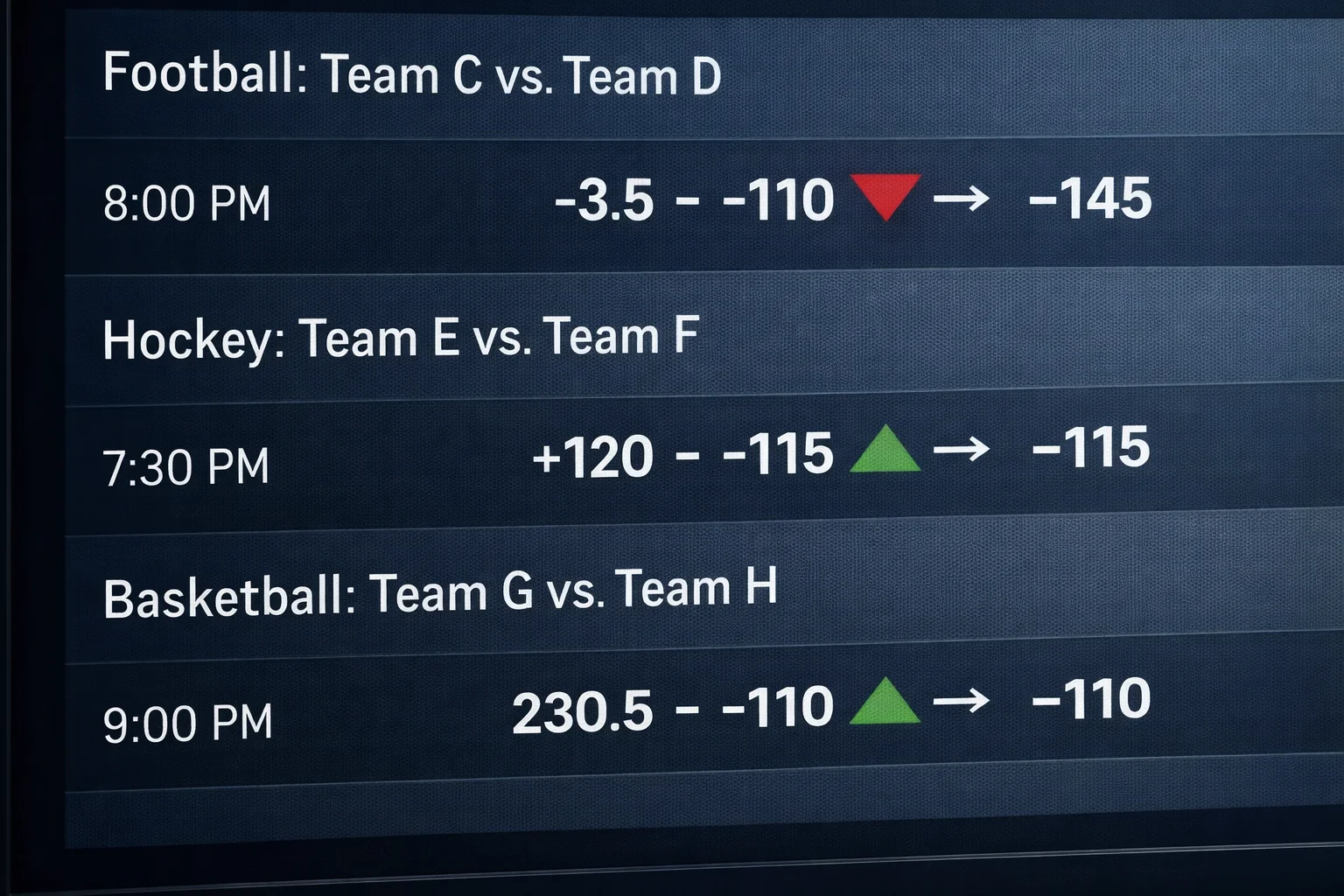
Steam moves represent sudden, dramatic line shifts across the entire betting market simultaneously. When you see a line jump from -3 to -4.5 within minutes at multiple sportsbooks, that’s steam. These moves indicate heavy coordinated action, typically from professional bettors or betting syndicates with the resources to place large wagers at many books quickly.
Steam originates when sharp bettors identify significant value in a line. They place bets across multiple sportsbooks before the market can adjust, creating a wave of action that forces books to move their numbers. The first book to see the action moves its line, triggering adjustments at other books monitoring market movements, creating a cascade effect across the industry.
The challenge with steam moves is timing. By the time you notice them, the value has usually evaporated. The steam itself is evidence that sharps have already exploited the mispricing. Chasing steam typically means getting worse numbers than the bettors who initiated the move.
Some sophisticated bettors monitor for steam and act immediately, trying to catch books that haven’t yet adjusted. This requires real-time odds monitoring tools and accounts at many sportsbooks to place bets quickly. For most recreational bettors, steam moves provide information rather than actionable opportunity.
Not all steam is genuine. Sportsbooks and betting groups sometimes create artificial steam to mislead the market. Large bets placed on one side might be intended to move the line so that even larger bets can be placed on the opposite side at better numbers. This manipulation makes following steam blindly a dangerous strategy.
Reverse Line Movement Decoded
Reverse line movement occurs when the betting line moves in the opposite direction from where public money is flowing. If 75% of bets are on the Packers -6, but the line drops to Packers -5.5, that’s reverse line movement suggesting sharp money on the opposite side.
The logic is straightforward: sportsbooks move lines toward where they need money to balance their books. If they’re moving away from where the money is, they must be more concerned about sharp action on the other side than about public money overwhelming them. They’re essentially saying they’d rather have lopsided public exposure than take more sharp bets on the popular side.
Reverse line movement serves as one indicator of where professional bettors stand. When the public hammers a side but the line moves the other way, it suggests that the professionals disagree with the masses. Given that professionals win long-term while the public loses, this disagreement is worth noting.
However, reverse line movement isn’t a guaranteed winner. The indicator has limitations and can mislead in several ways. Not all reverse moves signal genuine sharp action; some result from sportsbook liability management, injury news incorporated before public betting, or market manipulation. Treating every reverse line move as actionable intelligence overstates its reliability.
Reading Public vs. Sharp Money
Distinguishing between public and sharp money helps you interpret line movements more accurately. The two betting populations behave differently and influence lines in distinct ways.
Public money tends to favor favorites, home teams, teams with star players, teams on winning streaks, and primetime games. Public bettors react to narratives, recent results, and media coverage rather than conducting deep analysis. Their action is often predictable and concentrated on popular sides.
Sharp money operates differently. Professionals bet based on their own probability assessments, seeking discrepancies between their numbers and the market’s. They often bet unpopular sides precisely because public action has pushed value to the opposite side. Sharp money arrives earlier in the week when lines are softer and late just before kickoff when final information is available.
Several data points help identify where sharp money might be. The percentage of bets versus the percentage of money wagered reveals a lot: if a team is getting 30% of bets but 50% of the money, larger bets are backing that side, suggesting sharper money. Closing line value, whether lines move toward your position after you bet, correlates strongly with long-term betting success.
Using Line Movement Information
Line movement provides context for your betting decisions but shouldn’t be your only input. Combining line movement analysis with your own handicapping produces better results than following lines blindly.
When your analysis agrees with line movement direction, it adds confidence to your position. If you identify value on a side and then see sharp money move the line your way, that’s confirmation from professional bettors. This alignment suggests you’ve identified something real rather than fooling yourself.
When your analysis conflicts with line movement, it signals caution. Maybe you’re seeing something the market has missed, or maybe you’re wrong. Investigate why the line is moving against your position before dismissing the market’s collective wisdom. Sometimes you’ll find information you overlooked; other times you’ll confirm your original thesis.
Betting into line movement means taking positions before the market moves your way. If you identify value at -3 and expect the line to move to -4, you want to bet before that happens. This requires confidence in your analysis and timing to act before sharp money arrives.
Betting against line movement means fading sharp action, which rarely works long-term. Sharps win for good reasons, and consistently betting against them is a losing strategy. However, steam moves sometimes overshoot fair value, creating brief windows where the opposite side offers value. Identifying these overcorrections requires sophisticated analysis.
Timing Your Bets Based on Line Movement

The optimal timing for placing bets depends on what you’re betting and why you believe you have edge.
Sharp money typically comes in early in the week when sportsbooks first post lines, then again late in the betting cycle just before games begin. This creates a pattern where lines often move early, stabilize midweek, then move again late. Understanding this pattern helps you time your action.
If your edge comes from early information or analysis that sharps might share, bet early before line movement prices out your value. If your edge comes from late information like weather or injury updates, bet late when that information becomes actionable. If you’re following sharp action rather than generating your own analysis, bet after you see movement confirmation but before all books have adjusted.
Some bettors specifically target the midweek period when lines are most stable, believing that early sharp action has been incorporated but late public money hasn’t yet distorted prices. This approach avoids competing directly with professional timing while still finding reasonable numbers.
Line movement during games creates live betting opportunities but also traps. In-play lines move rapidly based on scoring, time remaining, and game flow. Understanding how live lines react to game events helps identify when they overreact, creating brief value windows.
The Limits of Line Movement Analysis
Line movement provides useful information but isn’t a complete betting strategy. Several limitations constrain its value.
You can’t know precisely where money is going or in what amounts. Public betting percentages from data providers are estimates, not exact figures. Different sportsbooks see different betting patterns, and the aggregate numbers you see might not reflect what’s happening at any specific book.
Line movement signals arrive with lag. By the time you identify a steam move or reverse line movement, the best numbers are often gone. You’re seeing history rather than real-time opportunity in many cases.
Not all line movement is meaningful. Small fluctuations happen constantly due to noise in betting activity. Distinguishing significant moves from background variation requires experience and context about typical movement patterns for specific sports and bet types.
Sharp bettors don’t win every bet. Following sharp money improves your chances but doesn’t guarantee success. Sharp action indicates where professionals see value, but value bets lose plenty often. A sound strategy requires appropriate bankroll management even when you’re aligned with sharp money.
Line movement analysis works best as one input among many rather than a standalone strategy. Combining movement signals with your own handicapping, understanding of market dynamics, and disciplined execution creates a more complete approach than any single element alone.
See also line shopping.
